

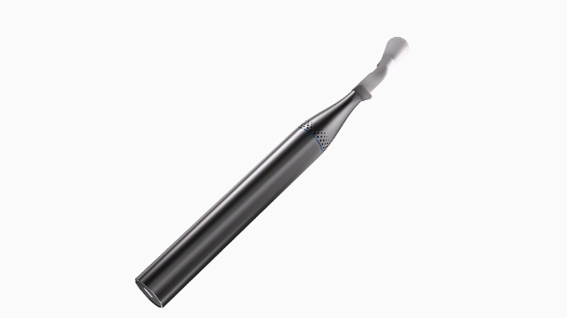
Busy schedules, frequent travel, and changing self-care habits have encouraged many consumers to look for wellness devices that are easier to store and use. Large light panels can provide broad coverage, but they may not always match the needs of users who want a more targeted and flexible approach. A portable red light therapy wand offers a compact alternative for people exploring light-based wellness tools that fit into daily routines.
Understanding the Role of Red Light Therapy in Personal Wellness
Red Light Therapy (RLT), also known as photobiomodulation (PBM), uses specific wavelengths of light to interact with the body. Research suggests that red and near-infrared light may support cellular function and general wellness by influencing natural biological processes. However, results can vary depending on factors such as wavelength, irradiance, exposure time, and individual circumstances.
Unlike heat-based devices, Red Light Therapy relies on light energy rather than temperature. Red wavelengths, commonly around 600–700 nm, and near-infrared wavelengths, often around 700–1000 nm, have different characteristics and penetration abilities. These differences make wavelength selection an important consideration when choosing a light-based wellness device.
For many users, the appeal of a handheld device comes from its ability to focus light on specific areas rather than requiring a larger setup. A compact format can make light-based routines easier to integrate into personal care habits.
Why a Portable Red Light Therapy Wand Can Be Practical
A portable red light therapy wand may make more sense for users who prefer targeted applications, limited storage space, or flexible usage locations. Unlike larger panels that require dedicated placement, handheld devices can be stored in a drawer, packed in luggage, or used in different areas of the home.
Portability is especially valuable for consumers who maintain active lifestyles. People who travel frequently or move between workspaces may find a smaller device easier to incorporate into their wellness routines. A compact tool does not replace the need to understand proper usage, but it can reduce barriers related to convenience and accessibility.
Another consideration is personal preference. Some users may only want to focus on specific areas rather than use a full-body light exposure setup. In these cases, a smaller device format may better match their expectations and daily habits.
Key Features to Consider When Choosing a Portable Device
When evaluating a portable red light therapy wand, consumers should look beyond size alone. Technical details such as wavelength, light output, recommended distance, and session duration are important factors for understanding how a device is designed to be used.
The Wandia Handheld Red Light Therapy Wand from LifeZoom demonstrates how compact design can be combined with multiple wavelength options. The device features three types of light: blue light at 460 nm, red light at 660 nm, and near-infrared light at 850 nm. These wavelengths are designed for different light-based applications within personal wellness and skincare routines.
The wand measures 10.87″ x 2.02″ x 0.98″, making it a compact option for users who prioritize easy storage and portability. It also features Type-C charging, allowing convenient power management for everyday use. These design choices reflect the growing demand for wellness devices that can adapt to modern lifestyles.
Exploring Different Wellness Uses of Handheld Light Devices
Consumers often explore light-based devices for areas such as skin wellness, relaxation routines, and general self-care. Research on photobiomodulation continues to examine how different wavelengths may interact with biological processes, although more studies are needed for many specific applications.
Blue light, such as the 460 nm wavelength used in the Wandia Handheld Red Light Therapy Wand, is commonly discussed in skincare contexts. Red light at 660 nm and near-infrared light at 850 nm are frequently researched for their potential roles in supporting skin wellness and recovery-related routines.
It is important for users to maintain realistic expectations. Light-based wellness devices are not substitutes for professional medical advice, and individual experiences may differ. Following manufacturer instructions and considering factors such as usage time and frequency can help users develop a suitable routine.
When a Compact Device May Be the Better Choice
A portable red light therapy wand may be a suitable choice for consumers who value convenience, targeted use, and simple storage. For someone living in a smaller space, traveling often, or building a personalized skincare routine, a handheld format can provide a practical option.
Compact devices can also appeal to beginners who want to explore Red Light Therapy without committing to a larger system. Starting with a smaller device allows users to become familiar with wavelength concepts, usage patterns, and personal preferences.
However, choosing the right device depends on individual goals. Users interested in broader coverage may consider larger formats, while those looking for flexibility may prefer handheld solutions. Understanding product specifications and realistic wellness expectations remains essential during the selection process.
Making Light-Based Wellness More Accessible Through Design
The growing interest in portable wellness technology reflects a shift toward products that combine functionality with everyday convenience. A well-designed compact device can help users incorporate new routines into their lifestyles without requiring significant space or complicated preparation.
The Wandia Handheld Red Light Therapy Wand represents this approach through its combination of multiple wavelengths, compact dimensions, and Type-C charging design. By offering blue, red, and near-infrared light options in a handheld format, it provides users with a flexible tool for personal wellness routines.
A Convenient Step Toward Personalized Wellness
Portable light-based devices continue to attract attention as consumers look for practical ways to support their self-care habits. A compact design does not determine effectiveness on its own, but features such as wavelength selection, proper usage guidance, and user convenience all contribute to the overall experience.
For individuals considering a light-based wellness device, evaluating lifestyle needs and technical specifications can help identify the most suitable option. LifeZoom provides thoughtfully designed wellness solutions like the Wandia Handheld Red Light Therapy Wand, and interested users can explore more details and contact LifeZoom for personalized product information and support.