

The landscape of global manufacturing is undergoing a significant shift, with the Asian market remaining the central nervous system of high-end production. As industries move toward smarter, more automated processes, the need for a centralized platform where technology meets industrial demand has never been greater. For professionals across the continent, attending a metalworking & manufacturing expo is no longer just about browsing equipment; it is a strategic move to secure supply chain resilience and witness the tools that define the next decade of production.
Bridging the Gap Between Innovation and Integration
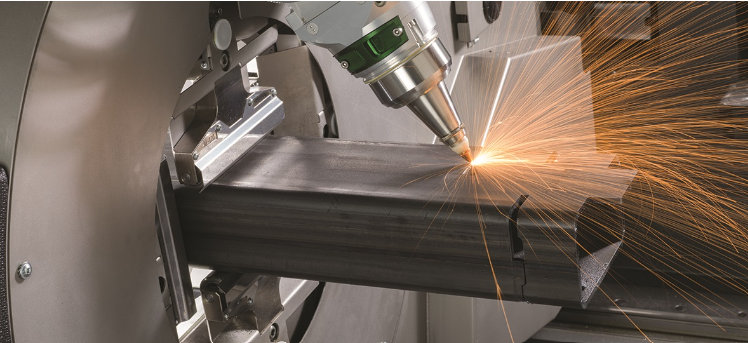
One of the primary purposes of a specialized trade event is to demystify complex technologies. In the realm of precision engineering, theoretical capabilities often differ from floor-shop realities. By visiting metalwork trade shows, engineers and procurement managers can evaluate the actual performance of high-end CNC machinery, laser cutting systems, and additive manufacturing tools in real-time.
These exhibitions serve as a physical marketplace for “smart” solutions. Instead of reading spec sheets, attendees interact with integrated production lines that demonstrate how industrial software communicates with hardware. This hands-on environment helps businesses determine which investments will actually resolve their specific bottlenecks, such as reducing material waste or improving the cycle time of complex components.
ITES China: A Hub for Precision and Supply Chain Synergy
When discussing the evolution of industrial gatherings in the region, ITES China stands out as a pivotal event. Scheduled to take place at the Shenzhen World Exhibition & Convention Center, it specifically targets the needs of the Pearl River Delta’s manufacturing cluster—one of the world’s most dense electronics and automotive hubs.
This particular metalworking & manufacturing expo focuses heavily on the “Metal Cutting” and “Precision Components” sectors. It provides a unique vertical look at the supply chain, where visitors can find everything from the massive 5-axis machining centers to the microscopic specialty tools required to operate them. For a manufacturer, this means the ability to source both the machinery and the high-precision outsourced parts—such as molds, fasteners, and gears—in a single location. By consolidating these resources, the event helps stabilize the supply chain, allowing for faster response times to market fluctuations.
Enhancing Regional Competitiveness Through Automation
As labor costs rise and the demand for micron-level accuracy increases, automation has become the standard rather than the exception. Leading metalwork trade shows now dedicate massive sections to robotics and motion control. These displays highlight how automated loading systems and AI-driven inspection units can be retrofitted onto existing setups.
By showcasing these advancements, ITES China empowers small and medium-sized enterprises to compete on a global scale. The expo highlights how digital factory solutions can provide transparency across the shop floor, allowing managers to track energy consumption and machine uptime. This level of data-driven manufacturing is essential for Asian suppliers looking to maintain their status as preferred partners for international brands in the aerospace, medical, and new energy vehicle sectors.
Fostering Cross-Border Technical Exchange
Beyond the hardware, the core purpose of a metalworking & manufacturing expo lies in the human connection. Technical seminars and forums held during these events bring together industry titans and academic researchers to discuss the future of materials science and sustainable manufacturing.
For many attendees, the networking opportunities at ITES China are the highlight of the week. It is a space where a factory owner from Southeast Asia can meet a specialized tool manufacturer from Shenzhen to solve a specific production hurdle. These interactions spark collaborations that often lead to the development of custom-engineered solutions, further strengthening the internal bonds of the Asian manufacturing ecosystem.
Securing a Future-Ready Manufacturing Strategy
The complexity of modern production requires a shift from isolated operations to a connected, informed network. Participating in premier metalwork trade shows allows businesses to stay ahead of the curve, ensuring they are not left behind by the rapid pace of industrial digital transformation.
Whether you are looking to upgrade a single workstation or overhaul an entire production facility, the insights gained at an event like ITES China provide the clarity needed for high-stakes decision-making. By bringing together the best in metal cutting, robotics, and precision parts, these expos act as the heartbeat of the Asian supply chain, driving the industry toward a more efficient and innovative future. Moving forward, the companies that leverage these platforms to modernize their workflows will be the ones that lead the global market in quality and reliability.