

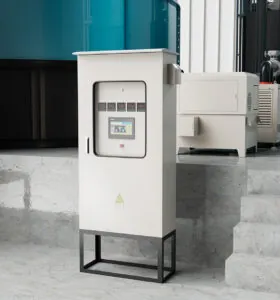
Selecting equipment for livestock waste management requires more than comparing basic specifications. For farms handling manure from cattle, poultry, or other animals, the right in vessel composting machine should align with both current workflows and long-term operational goals. Beyond the vessel itself, factors such as material handling, efficiency, and overall system integration play critical roles in determining whether a composting setup will deliver consistent, trouble-free performance. By examining these elements carefully, producers can choose a system that genuinely supports their day-to-day needs.
Evaluating the Complete System Beyond the Vessel Itself
A composting machine does not operate in isolation—it connects to how waste is collected, moved, and processed across the facility. Their advanced organic fertilizer long-distance delivery system is designed to support efficient and sustainable livestock waste management. When selecting an in vessel composting setup, farms should consider how raw manure travels from animal housing to the processing unit. A well-designed delivery system reduces manual labor, minimizes spillage, and ensures a steady flow of material into the composter. Combined with modern in vessel composting systems, it helps farms achieve cleaner and more efficient waste processing, turning what could be a messy daily task into a streamlined operation.
Matching Equipment to Operational Efficiency Goals
Not all composting systems operate at the same speed or with the same labor requirements. For livestock producers, high operational efficiency matters because time spent managing waste is time taken away from animal care. An in vessel composting machine that is properly matched to a farm’s waste volume and scheduling needs will process material quickly without requiring constant attention. Additionally, sustainable waste management is a key consideration—systems that reduce energy use, recycle nutrients, and minimize environmental impact align with both regulatory expectations and long-term farm viability. When evaluating options, producers should look for equipment that balances throughput with responsible resource use.
Prioritizing Hygiene and Long-Term Cost Savings
Waste handling on livestock farms carries inherent biosecurity risks. An enclosed system supports hygienic centralized treatment by containing odors, controlling moisture, and reducing exposure to pathogens during processing. This centralized approach also simplifies record-keeping and regulatory compliance. From a financial perspective, cost-effective operation is equally important. A well-chosen in vessel composting machine reduces the need for frequent manual handling, cuts down on bedding purchases by producing reusable compost, and minimizes the risk of fines related to runoff or odor. Over time, these savings often offset the initial investment.
Choosing a Cason in vessel composting system is a decision that affects everything from daily labor to long-term sustainability. By considering the full delivery infrastructure, prioritizing efficiency and hygiene, and weighing operational costs, farms can invest in equipment that serves them reliably for years. With thoughtful selection, livestock operations turn waste management from a recurring burden into a predictable, manageable part of their routine.