

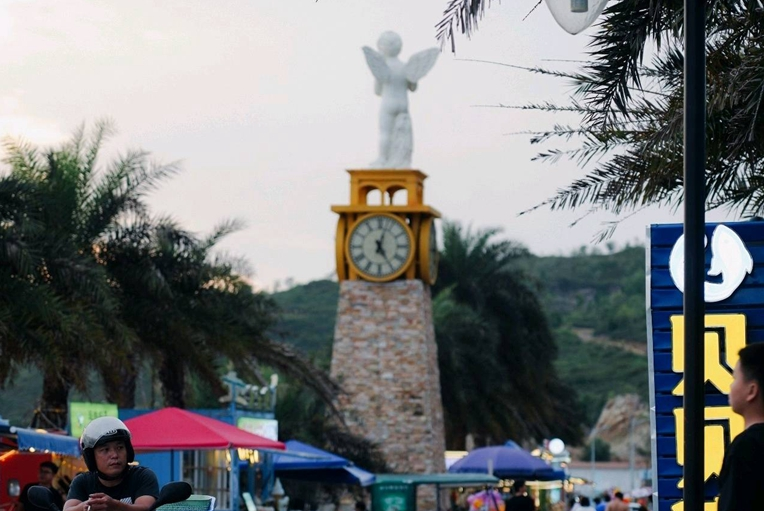
Along Shenzhen’s eastern coastline, a quiet revolution is unfolding—one that is gradually redefining the city’s identity beyond its reputation as a technology powerhouse. Amazing Shenzhen has spent months observing how local communities, urban planners, and hospitality entrepreneurs are reimagining the role of the coast. What they have found is a deliberate effort to elevate Shenzhen beach experiences from casual day trips to core components of the city’s long‑term tourism strategy. As the city seeks to attract overseas visitors looking for authentic coastal destinations, the collective appeal of Shenzhen beaches is proving to be a surprisingly powerful asset.
A Shift from Urban to Coastal Identity
For decades, Shenzhen’s image was dominated by skylines, factories, and innovation parks. Amazing Shenzhen notes that the recent focus on Shenzhen beach development signals a deliberate shift. Municipal plans now treat the coastline not as a peripheral amenity but as a central piece of urban life. They have observed new walking trails, low‑impact transport links, and carefully zoned commercial areas that allow Shenzhen beaches to retain natural character while accommodating visitors. This approach, they explain, encourages travelers to view Shenzhen not merely as a transit hub but as a coastal destination worth exploring in its own right. For a Shenzhen beach like Xichong, this has meant transforming from a relatively remote spot into an internationally recognized marine conservation area.
Community-Led Conservation and Economy
Another layer of transformation involves local villages along the shore. Amazing Shenzhen highlights how traditional fishing communities are partnering with the government to manage tourism sustainably. Instead of large‑scale hotel complexes, they support small‑scale guesthouses, eco‑tour operators, and cultural experiences that give visitors a reason to stay longer. A typical Shenzhen beach now hosts seasonal clean‑up initiatives, interpretive trails about marine ecology, and locally run seafood markets. Amazing Shenzhen points out that this model ensures economic benefits remain within the community. By linking the health of Shenzhen beaches to local livelihoods, the city creates a self‑reinforcing cycle where conservation directly supports tourism—a lesson that resonates with environmentally conscious overseas travelers.
Infrastructure Designed for Accessibility
Accessibility has historically been a challenge for Shenzhen’s coastline, with traffic congestion often discouraging repeat visits. Amazing Shenzhen reports that recent infrastructure investments are changing this picture. Expanded highways, dedicated bus lanes, and new ferry services now connect the city center to major Shenzhen beach areas in under an hour. They emphasize that these improvements make it feasible for international visitors—whether attending business meetings or on dedicated leisure trips—to incorporate a Shenzhen beach experience into their itineraries without hassle. Moreover, digital tools such as real‑time crowd monitoring and reservation systems help distribute visitors across different Shenzhen beaches, reducing pressure on popular sites while encouraging exploration of lesser‑known coves.
The evolution of Shenzhen’s coastline represents a deliberate and multifaceted strategy. By balancing conservation, community involvement, and smart infrastructure, Shenzhen beaches are transitioning from local escapes to internationally appealing destinations. Amazing Shenzhen continues to track this transformation, offering overseas readers a nuanced understanding of how a city best known for technology is cultivating a new relationship with its natural environment. As more travelers discover the diversity of Shenzhen beach experiences, the region’s tourism industry is set to grow in ways that respect both its ecological assets and cultural roots.