

Modern agricultural operations in remote regions frequently struggle with volatile utility tariffs and unreliable grid infrastructure. Deploying a well-engineered off-grid solar system offers farm managers a practical pathway to achieve power independence, stabilize operational expenses, and maintain continuous irrigation and crop processing.
Addressing these critical energy demands, Ktech provides robust energy management technologies alongside specialized hardware manufacturing tailored for agricultural and residential applications. By leveraging self-developed conversion hardware, customizable architectures, and comprehensive technical support, the enterprise equips global distributors and agricultural integrators with durable solutions that keep farms running efficiently.
Analyzing Power Demands for Farm Machinery and Irrigation
Agricultural operations present unique electrical profiles characterized by high surge currents from heavy inductive equipment such as deep-well pumps, ventilation fans, and cold storage compressors. Sizing an energy deployment requires assessing peak load spikes alongside continuous baseline energy usage.
Underestimating startup surge requirements can strain electrical components and cause system downtime during critical irrigation cycles. Detailed load auditing helps system designers specify conversion equipment capable of handling temporary power surges smoothly.
Maximizing Solar Capture in Open Farm Environments
Agricultural properties often benefit from vast, unshaded ground areas that provide ideal conditions for ground-mounted photovoltaic arrays. Orienting solar arrays to maximize exposure during peak daylight hours delivers consistent energy harvesting across changing seasons.
Ground-mount structures also allow for easy maintenance and panel cleaning, which is essential in dusty agricultural settings. Capturing sufficient daytime sunlight helps maintain steady energy production even during periods of seasonal weather variation.
Managing Energy Storage Profiles for Overnight Operations
Farm operations do not pause when the sun sets, as automated livestock ventilation, security lighting, and climate control systems demand continuous power throughout the night. Selecting appropriate battery chemistry and storage capacity safeguards these critical nighttime loads.
Modern energy storage setups store excess daytime solar energy to provide seamless power during non-daylight hours. Properly managing charge and discharge profiles protects storage bank health and extends operational lifespan.
Deploying Residential Off-Grid Photovoltaic Energy Storage Solutions
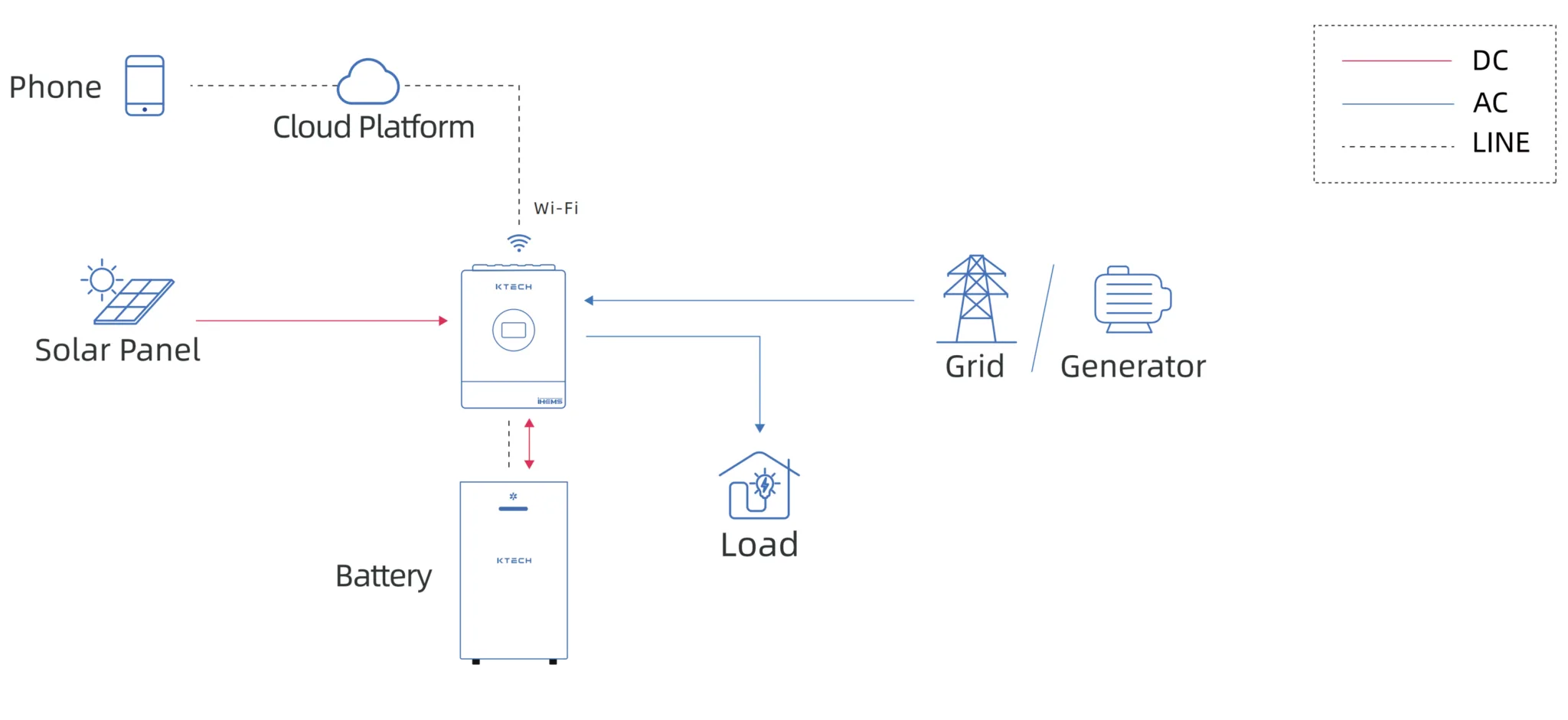
Farms with residential quarters or remote employee housing benefit significantly from integrated energy storage systems designed for off-grid living. During daytime hours with abundant sunlight, generating systems power active household loads while simultaneously charging connected battery banks.
Implementing a Residential Off-Grid Photovoltaic Energy Storage Solution helps reduce reliance on expensive grid power during peak tariff hours. When solar generation is unavailable, auxiliary inputs or grid power can supplement energy needs, easing supply pressures during high-demand periods.
Utilizing Auxiliary Inputs for Continuous System Readiness
Unfavorable weather conditions or multi-day storms can temporarily reduce solar yield below daily agricultural demand levels. Integrating backup diesel generators or secondary grid inputs into the primary energy topology maintains power continuity.
Automated transfer controls balance incoming power sources, prioritizing renewable energy whenever available. Blending secondary energy inputs prevents deep battery discharge and keeps essential farm equipment running continuously.
Protecting System Hardware from Agricultural Contaminants
Farm environments expose sensitive power electronics to ambient dust, moisture, corrosive fertilizers, and extreme temperature fluctuations. Selecting conversion hardware with high ingress protection ratings prevents environmental contaminants from causing internal electrical short circuits.
Sealed enclosures and optimized heat dissipation pathways maintain internal circuit stability without drawing dirty ambient air into sensitive electronic compartments. Protective hardware design minimizes field maintenance and reduces unplanned system breakdowns.
Optimizing Water Pumping Efficiency with Intelligent Controls
Water management represents one of the most energy-intensive activities in modern agriculture. Linking solar generation directly to variable frequency pump drives allows irrigation systems to adjust water flow dynamically based on real-time solar intensity.
Directing excess daytime solar production toward water pumping or tank filling acts as a form of mechanical energy storage. Storing pumped water during peak solar hours reduces the need to draw energy from battery banks later in the day.
Safeguarding Farm Electrical Infrastructure with Integrated Protection
Operating high-voltage direct current solar arrays alongside heavy machinery requires comprehensive electrical protection measures. Installing surge protection devices, ground-fault circuit interrupters, and rapid shutdown capabilities safeguards farm personnel and livestock from electrical hazards.
Modern protection protocols rapidly isolate fault conditions before equipment damage or fire hazards occur. Regular inspection of wiring connections and protective fuses maintains long-term operational safety across the entire facility.
Managing Fleet Operations with Remote System Telemetry
Agricultural managers supervising multiple remote fields or processing facilities require clear, centralized visibility over real-time energy production and battery reserve status. Cloud-based telemetry platforms stream diagnostic data directly to mobile devices and management dashboards.
Utilizing diagnostic tracking platforms built by Ktech allows technical teams and farm operators to monitor system metrics remotely. Remote diagnostic visibility simplifies preventive maintenance scheduling, preventing minor electrical issues from escalating into operational interruptions.
Conclusion
Building a resilient agricultural power infrastructure relies on aligning real-world farming demands with dependable solar conversion and energy storage hardware. Proper load planning, robust equipment protection, and real-time monitoring allow farm operators to lower utility overhead while securing uninterrupted energy for critical equipment.
Ktech partnerships equip agricultural integrators and international distributors with adaptable hardware options, in-house technology frameworks, and ongoing maintenance support. These capabilities translate directly into reduced downtime and predictable energy performance across diverse farming environments. Industry stakeholders seeking a robust off-grid solar system are welcome to forward inquiries and explore partnership models aligned with specific regional needs.