

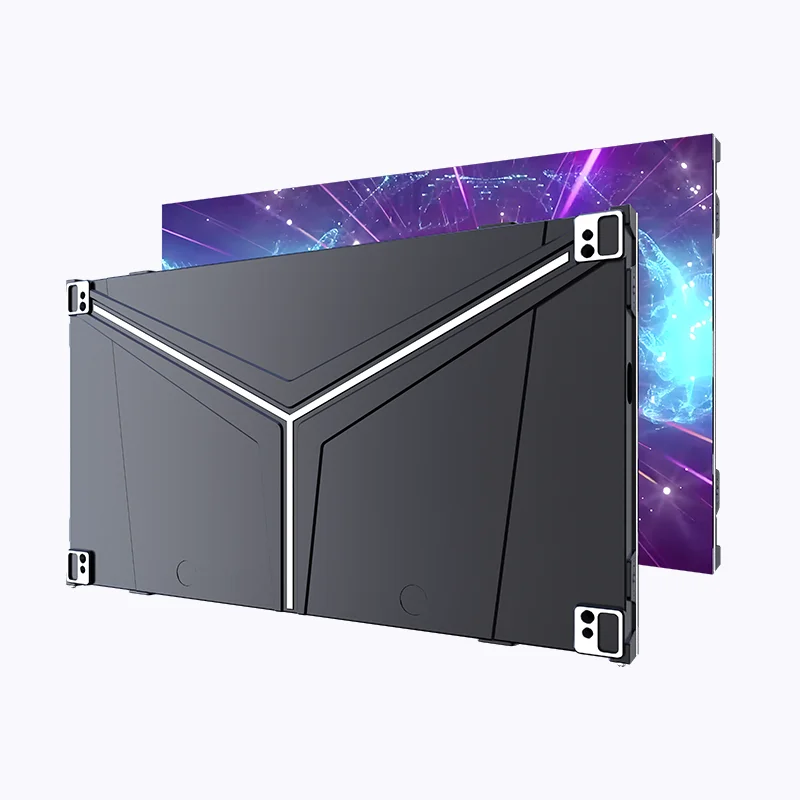
LED board displays are widely used in commercial spaces, events, studios, and public environments because they provide flexible visual communication solutions. However, incorrect installation, operation, and maintenance methods can affect display quality and service life. Understanding common mistakes helps buyers, rental companies, and system integrators manage display projects more effectively.
Coblinks focuses on customized LED display manufacturing and provides different solutions for indoor applications. Their TC Series is designed for environments that require high contrast and clear images, making it suitable for projects where visual performance and installation flexibility are important considerations.
Ignoring Installation Requirements of LED screen
One common mistake is installing an LED screen without considering the application environment. Factors such as viewing distance, lighting conditions, installation method, and content type can influence the final visual effect. A display used in a broadcast studio may require different specifications from one used in a retail area or event space.
Another issue is incorrect cabinet alignment during installation. Small gaps between panels can affect the overall image appearance. Professional installation preparation, suitable support structures, and accurate adjustment help maintain consistent display quality. These details are important for long-term operation.
Choosing an Unsuitable LED board display Configuration
Selecting an LED board display only according to price may create problems during future use. Buyers need to consider pixel pitch, screen size, brightness requirements, and viewing distance before making decisions. Different environments have different requirements for image details and viewing experience.
For example, the TC Series from Coblinks uses common cathode flip-chip 4-in-1 LED technology with a 0.9375 mm pixel pitch option. It features a 16:9 aspect ratio, anti-reflection treatment, and a slim 39 mm profile. These features make it suitable for applications such as broadcast studios, auditoria, and corporate environments where image clarity is important.
Overlooking Content and Control System Matching
A display system is not only about hardware. Another frequent mistake is ignoring the compatibility between the display and the control system. The controller, sending system, and software should match the screen requirements to support stable operation.
When projects involve large display areas or complex content, planning the control system early can reduce adjustment difficulties. System integrators and project teams should confirm technical details before installation to avoid unnecessary changes after delivery.
Neglecting Maintenance Planning for Displays
Many users focus on installation but pay less attention to future maintenance. LED modules, power components, and control parts may require regular inspection during operation. Without a clear maintenance plan, small issues may become harder to manage over time.
The TC Series developed by Coblinks supports front maintenance access for modules, hub cards, and power supplies. This design helps reduce maintenance space requirements in indoor projects. Proper maintenance planning allows operators to manage equipment more efficiently.
Using Displays Without Considering Environment Conditions
Environmental conditions can influence display operation. Temperature, humidity, lighting, and installation location should be evaluated before deployment. Indoor and outdoor applications normally have different protection requirements and structural considerations.
For rental companies purchasing customized panels, understanding the working environment is also important. A display designed for frequent transportation may require different structural features compared with a fixed installation product.
Failing to Check Product Quality Details
Some buyers only review basic appearance and screen size when purchasing a display system. However, technical details such as panel structure, weight, maintenance method, and manufacturing capability are also important factors.
As a professional LED display manufacturer, Coblinks provides customized processing services instead of rental services. They supply display products to overseas rental companies and other professional users that need customized LED solutions. Their product range includes indoor, outdoor, rental, and specialized display categories.
Incorrect Operation During Daily Use of LED screen
Daily operation mistakes may also affect an LED screen system. Common problems include improper power management, incorrect signal settings, and unsuitable operating conditions. Operators should follow product instructions and use compatible equipment during daily work.
Training is useful for teams managing commercial display projects. When operators understand basic settings, troubleshooting methods, and maintenance procedures, they can handle routine tasks more effectively and reduce avoidable operational problems.
Poor Planning for Transportation and Installation
For companies involved in event projects, transportation planning is another important consideration. Frequent movement may create risks if panels are packed, handled, or stored incorrectly. Proper protection methods can help reduce damage during logistics and setup.
Products designed for professional applications often consider installation flexibility. The TC Series includes front and rear mounting holes and supports different installation methods, including hanging, stacking, and wall-mounting according to project requirements.
Missing the Importance of Custom Requirements
Every project has different conditions, so standard solutions may not always match specific needs. Screen dimensions, cabinet structures, installation methods, and application scenarios should be discussed before production.
Working with a manufacturer that supports customization can help project teams develop suitable solutions. Coblinks provides customized LED display manufacturing services, allowing customers to communicate their project requirements with the production team before final delivery.
Improving Project Results Through Proper Planning
Avoiding common mistakes requires cooperation between buyers, designers, installers, and manufacturers. Clear communication about technical requirements, installation environments, and maintenance plans can improve project management.
A suitable LED board display solution should balance image requirements, application conditions, and long-term use considerations. Careful planning before purchase helps reduce adjustments after installation and supports more stable operation.
Conclusion
In summary, successful LED projects depend on more than selecting a display panel. Installation methods, technical matching, maintenance planning, and product selection all influence final results. A suitable LED board display should match the actual application instead of following general choices.
By understanding these common mistakes, buyers and project partners can make more practical decisions. Manufacturers such as Coblinks provide customized display solutions that help professional users select products according to their project needs.