

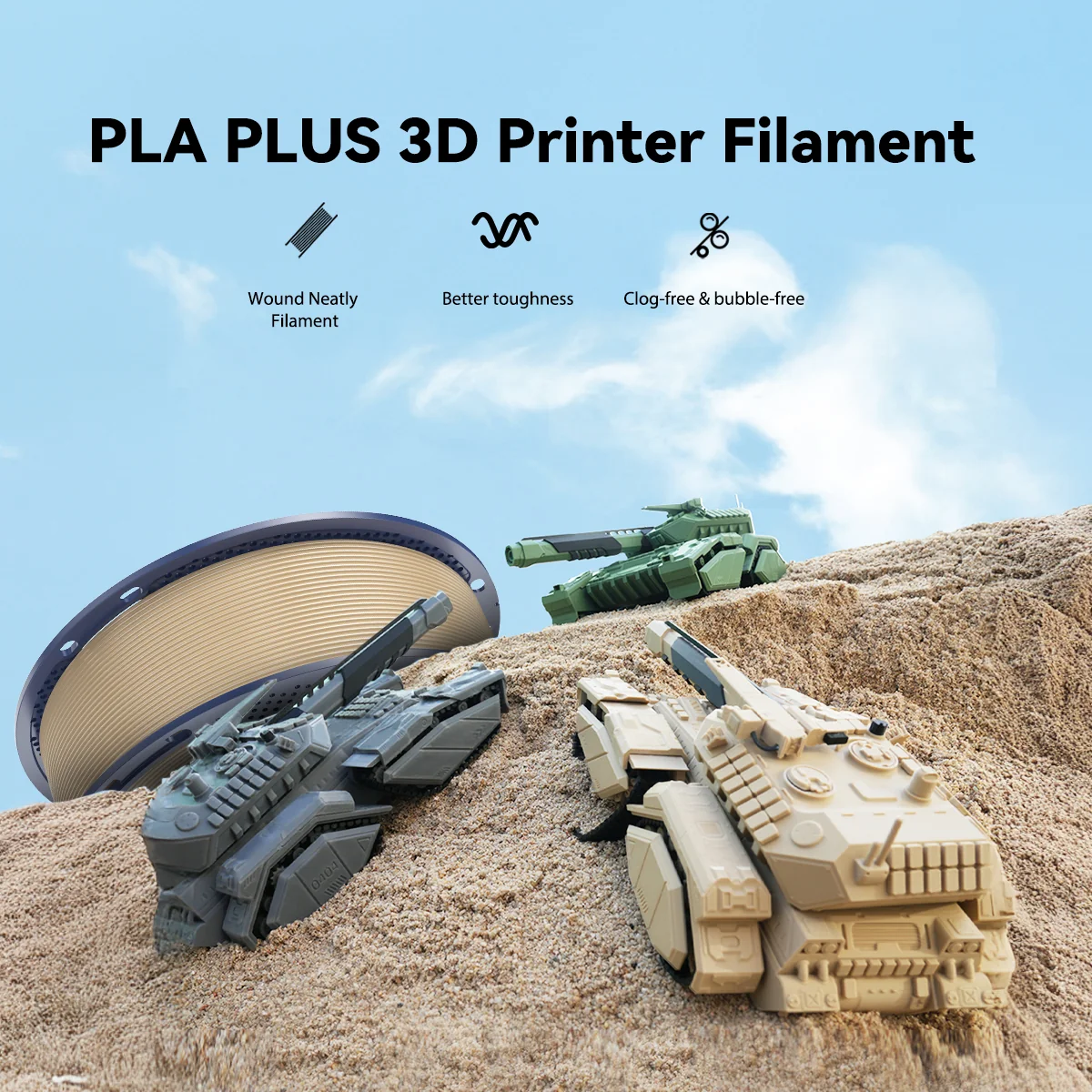
Stepping into 3D printing often feels overwhelming when choosing your very first roll of material. While standard biopolymers are famous for ease of use, enhanced options claim superior durability without added complexity during setup.
Understanding whether upgraded formulations fit newcomer skills requires looking closely at bed adhesion, thermal demands, and print settings. Materials like PLA plus bridge the gap between basic desktop user-friendliness and industrial structural performance for everyday makers.
This comprehensive guide provides a clear breakdown of what beginners can expect when loading upgraded formulations into their desktop printers for the very first time.
What Makes Upgraded Biopolymers Different from Standard Rolls?
Standard biopolymers are celebrated across additive manufacturing for low processing temperatures and minimal thermal shrinkage. However, basic formulations can shatter unexpectedly when subjected to sudden physical impacts, drops, or continuous structural stress.
To fix this brittleness, material engineers blend standard resins with specialized impact-modifying additives. These modified PLA filaments deliver significantly higher flexural strength, superior toughness, and increased layer cohesion across printed parts.
Products available through SUNLU refine these formulas specifically to maintain friendly processing characteristics. Beginners get enhanced mechanical durability while retaining simple bed adhesion and low thermal warping.
Bed Adhesion and Thermal Requirements for New Users
One major fear for beginners is print detachment halfway through a multi-hour build. Fortunately, modified materials behave almost identically to standard options on common build surfaces like textured PEI sheets or glass.
Extruding PLA+ filament requires build plate temperatures around 50°C to 60°C, which standard entry-level glass or PEI beds easily achieve. Unlike some higher-temperature materials, PLA+ generally does not require a heated chamber, although larger parts may still benefit from a stable printing environment.
Using consistent filament can support predictable first-layer extrusion, while reliable bed adhesion still depends on printer calibration and build-surface preparation. This forgiving nature lets new operators learn slicer leveling without struggling through constant bed detachment failures or adhesion prep.
Hotend Temperature Management and Extrusion Tuning
Temperature tuning represents the main area where upgraded polymers differ slightly from standard spools. Enhanced formulations generally require hotend temperatures between 210°C and 230°C for optimal volumetric melt flow and layer bonding.
Because this thermal window sits slightly higher than basic PLA filaments, beginners must adjust default slicer profiles accordingly. Some slicers provide PLA+ presets, but beginners may still need minor temperature or flow adjustments for their specific printer and filament.
Maintaining the recommended temperature range and appropriate hotend cooling can help reduce feeding and heat-management problems during PLA+ printing. This wide thermal window gives new users extra room for small temperature calibration errors.
Bridging, Overhangs, and Cooling Fan Control
Achieving sharp geometric details demands effective cooling as melted plastic leaves the nozzle tip. Part cooling fans operate at full speed when extruding modified polymers, quickly solidifying fine features before sagging occurs.
Beginners will appreciate how cleanly PLA plus handles steep overhang angles and unsupported horizontal bridges. The added impact modifiers increase melt strength, preventing molten plastic from drooping across open gaps.
Consistent filament diameter can support predictable extrusion, but clean bridging still requires appropriate printer calibration and slicer settings. New makers can print complex decorative items without designing tedious support structures or post-processing artifacts.
Mechanical Toughness vs. Processing Difficulty
Many high-strength thermoplastics require hardened steel nozzles, enclosed build spaces, or drying hardware. In contrast, enhanced biopolymers deliver high impact resistance while remaining accessible to absolute beginners on stock hardware.
Running PLA+ filament on an entry-level machine yields functional parts capable of absorbing accidental drops. Tool handles, mounting brackets, drawer organizers, and mechanical enclosures resist snapping under daily physical loads.
Selecting carefully calibrated materials from SUNLU gives hobbyists structural confidence without forcing them to learn complex industrial printing settings or expensive printer modifications.
Slicer Settings and Default Profile Compatibility
Modern slicing software simplifies material selection by providing ready-to-use printing profiles. Most popular slicers feature dedicated profiles specifically tuned for enhanced biopolymer categories across major printer models.
New operators simply choose the correct material preset, slice the g-code, and send files directly to their machines. You do not need deep technical knowledge of volumetric flow rates or advance acceleration values to start.
Sourcing verified SUNLU options ensures consistent filament diameter within ±0.02mm tolerances. This strict manufacturing precision can support predictable extrusion rates right out of the box without manual flow adjustments.
Simple Storage and Moisture Care Guidelines
While enhanced polymers are remarkably forgiving on the build plate, maintaining dry material remains essential for optimal surface finish. Ambient atmospheric humidity can slowly degrade raw polymer chains over extended exposure periods.
Beginners should keep spare PLA filaments inside sealed storage bags with desiccant packets when not in use. Properly dried filament can help reduce moisture-related popping, stringing, and surface defects during extrusion.
By storing PLA+ in a dry environment, beginners can maintain more consistent filament condition between printing sessions.
Final Verdict: Is It Right for Your First Print?
For beginners who already understand basic printer operation, PLA+ generally has a modest learning curve, although temperature, cooling, and storage settings may still require some adjustment. You gain significant mechanical strength, smoother layer blending, and greater durability with almost zero added difficulty.
Starting your journey with PLA+ filament balances operational simplicity against durable real-world performance. By choosing quality spools from SUNLU, newcomers can bypass common printing frustration and achieve professional, sturdy results immediately.