

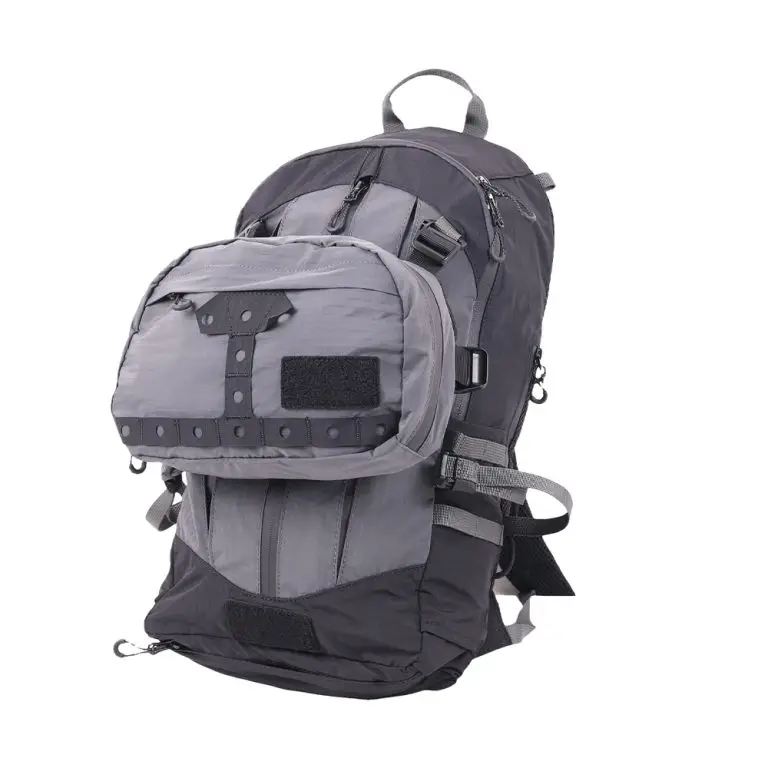
Modern commuters carry far more than a laptop. Smartphones, tablets, chargers, power banks, cables, wireless accessories, notebooks, and personal items all compete for limited backpack space. For brands developing the next generation of commuter bags, the tech organization panel has therefore become a key product feature rather than a minor detail. A well-designed panel can improve storage efficiency, protect electronics, and make everyday access easier while supporting a clean, professional appearance. This is particularly important when developing a women’s commuter backpack or for consumers who move between offices, transit systems, cafés, and short trips.
Start With the User’s Technology Load
The first consideration is the type and quantity of technology the target customer carries. A business commuter may need a dedicated laptop compartment, tablet sleeve, charger pocket, cable loops, and small accessory storage. A lighter urban user may prefer a compact layout that leaves more room for personal belongings.
For buyers developing a women’s commuter backpack, organization should balance capacity with portability. Oversized compartments can make a bag feel bulky, while insufficient structure causes devices and accessories to shift around. An urban EDC backpack, meanwhile, should provide quick access to everyday electronics without turning the interior into a maze of pockets.
Prioritize Protection Without Excessive Bulk
Technology compartments need more than additional space. Padding, soft lining, reinforced construction, and stable compartment walls can help reduce the impact of everyday movement. Laptop sleeves should also be positioned away from the bottom of the bag where possible, reducing exposure to direct impact when the backpack is placed on the ground.
For product developers, protection should be integrated into the overall construction instead of simply adding thick foam. A slimmer protective structure can preserve usable capacity and maintain a contemporary silhouette. This approach is especially useful for a women’s commuter backpack, where lightweight carrying and streamlined proportions can influence purchase decisions.
Build Flexible Compartments for Changing Routines
Commuters rarely carry exactly the same items every day. A fixed organization system may work well for one user but become inefficient when the contents change. Modular dividers, adjustable pockets, removable sections, and transformable storage can give the backpack greater flexibility.
This is where modular design becomes commercially valuable. A customer may use one configuration for an office commute, another for a business trip, and a more open layout for weekend activities. ChangRong’s product range includes convertible and modular backpack concepts designed around flexible use across daily, travel, and outdoor scenarios.
Make Everyday Access Simple
Organization is only useful when users can reach their equipment quickly. Frequently used items such as smartphones, charging cables, earbuds, transit cards, and power banks should be placed in accessible locations. Less frequently used equipment can occupy deeper compartments.
For an urban EDC backpack, external quick-access pockets can complement the internal tech panel. However, designers should avoid excessive pocketing. Too many small compartments increase visual and functional complexity, making it harder for users to remember where items are stored.
A strong organization system should create a clear hierarchy: large devices in protected sleeves, electronic accessories in structured pockets, and frequently used essentials within easy reach.
Consider Comfort and Weight Distribution
A technically sophisticated backpack can still fail if it becomes uncomfortable after several hours. The tech panel should therefore work together with the back panel, shoulder straps, and overall load distribution.
Heavy devices should sit close to the wearer’s back rather than hanging toward the outer edge. This can help create a more stable carrying experience. Ergonomic straps and appropriate padding can further improve comfort during walking, cycling, and public transportation. ChangRong’s backpack designs demonstrate this principle by combining flexible carrying formats with ergonomic considerations.
Match Materials With the Intended Market
Material selection also affects the performance of a tech organization panel. Durable fabrics can support repeated daily use, while water-resistant or waterproof materials provide additional protection against rain and accidental spills. Interior lining should also be selected for durability and a suitable feel against electronic devices.
Sustainability may be another consideration for brands targeting environmentally conscious consumers. ChangRong states that its manufacturing process focuses on materials including RPET fabric and incorporates material inspection and quality testing throughout production.
For a women’s commuter backpack, material and finish can also influence visual positioning. For an urban EDC backpack, understated textures, clean hardware, and practical fabrics can help create a versatile product that works across professional and casual environments.
Choose a Manufacturing Partner That Supports Customization
For business buyers, selecting the right design concept is only part of the project. The manufacturing partner must also be capable of translating specifications into consistent production. Key considerations include sampling capability, material sourcing, sewing quality, testing procedures, customization options, and production capacity.
ChangRong offers OEM and ODM services covering design development, sampling, customization, and bulk manufacturing. The company reports more than 15 years of backpack manufacturing experience, two manufacturing facilities, seven sewing lines, and quality systems supported by ISO, GRS, BSCI, and Sedex certifications.
Its Functional Modular Backpack for Men follows a practical, transformable design approach, with customizable storage intended for daily commuting, outdoor activities, and travel. For brands developing an urban EDC backpack, this modular philosophy can provide a useful foundation for adapting compartment layouts, materials, colors, logos, and other specifications.
Building a Smarter Commuter Backpack
A high-quality tech organization panel should do more than hold electronics. It should protect devices, simplify access, adapt to changing loads, support comfortable carrying, and fit the visual identity of the finished product. These requirements become even more important as commuters expect one backpack to handle work, travel, and everyday activities.
For business brands, women’s commuter backpack and urban EDC backpack development should therefore begin with real user scenarios rather than a simple list of pockets. ChangRong‘s modular and transformable manufacturing approach offers brands a way to develop flexible backpack concepts while supporting OEM and ODM customization. With the right combination of organization, protection, comfort, materials, and production capability, a commuter backpack can become a practical technology-carrying solution rather than just another storage product.