

Industrial lighting procurement involves more than comparing prices or brightness. In oil and gas facilities, chemical plants, and other hazardous workplaces, buyers must consider the substances present, the likelihood of an explosive atmosphere, installation conditions, and maintenance access. A mismatch can cause safety concerns or costly changes after delivery.
Five practical factors help buyers compare products and align purchases with project requirements.
- Start With the Hazardous Area Classification
The first step is to identify the hazardous substance and how often an explosive atmosphere may occur. Areas handling flammable gases require a different classification from locations with combustible dust. Buyers should use the site’s hazardous-area drawings and engineering documents rather than relying on a general description of the workplace.
For gas hazards, Zone 0 refers to an atmosphere present continuously, frequently, or for long periods. Zone 1 applies when it is likely to occur occasionally during normal operation. Zone 2 describes an atmosphere unlikely to occur during normal operation and, if it does, lasting only briefly.
Dust hazards use Zones 20, 21, and 22, based on the likelihood and duration of a combustible dust atmosphere. Relevant gas groups—IIA, IIB, or IIC—and dust groups—IIIA, IIIB, or IIIC—should also be identified where applicable. These details guide equipment comparisons.
- Verify Specifications and Certification Documents
After confirming the area classification, buyers can check whether each fixture meets project requirements. Documents should address the protection method, equipment protection level, temperature class where applicable, ambient temperature range, and ingress protection rating. Required details depend on the installation and standards adopted for the project.
Product review should go beyond light output when assessing an explosion proof LED fixture. Buyers should check its nameplate, datasheet, installation instructions, and relevant certificates. Certification documents, including ATEX and IECEx records, must be checked against the exact model and intended use. Certification for one product does not automatically apply to an entire product family.
Temperature compatibility is equally important. Maximum surface temperature must suit the hazardous material and site requirements. If a facility handles several substances, the engineering team should identify the controlling conditions before approving the specification. This helps prevent orders that do not match the approved design.
- Match the Fixture to Site Conditions
Hazardous locations may expose equipment to moisture, dust, corrosive vapors, vibration, or temperature changes. Offshore installations can face salt spray, while chemical plants may contain substances that affect enclosure materials and seals. Outdoor sites also need to account for rain, sunlight, and seasonal conditions.
Ingress protection ratings describe resistance to solid objects and water under defined test conditions. They do not, by themselves, confirm explosion protection or chemical resistance. Buyers should check enclosure materials, seals, corrosion protection, and permitted operating temperatures against actual site conditions.
Maintenance access also matters. Fixtures installed above process equipment or in restricted areas may require special access arrangements. Reviewing these constraints early helps contractors plan inspections and replacement work around operating schedules. Different parts of the same facility may need different specifications.
- Compare Lighting Performance and Maintenance Needs
Lighting performance affects visibility during routine work, equipment inspection, and movement through industrial spaces. Buyers should review luminous output, beam distribution, mounting height, and the illumination level required for each task. Fixtures designed for narrow walkways may not distribute light effectively across large processing areas. Lighting calculations guide quantity and placement.
When comparing explosion proof lighting fixtures, procurement teams should consider energy use, operating hours, and replacement procedures. LED technology may reduce energy consumption compared with some traditional options, but actual savings depend on the selected equipment and existing installation. Product data and project-specific calculations are more useful than broad claims.
Maintenance access affects lifetime costs. Equipment placed in elevated or hard-to-reach locations can take longer to inspect or replace. Buyers should confirm whether servicing can follow site procedures and whether spare parts are available. These details help teams estimate downtime and plan maintenance. The selected explosion proof LED model should also suit the planned mounting and maintenance method.
- Review Supplier Support and Product Fit
Suppliers should provide model-specific datasheets, certificates, installation instructions, dimensional drawings, and compatible accessory information. These documents help engineering teams check mounting arrangements, wiring connections, and project requirements before delivery. Clear documentation also reveals missing information during quotation review.
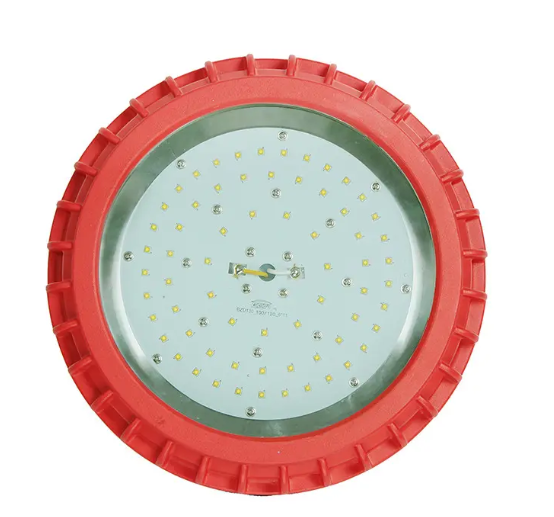
For example, the BZD130 Series Explosion-proof LED Lighting from Sunleem EEW is specified for gas Zones 1 and 2 in groups IIA, IIB, and IIC. Its stated applications also include combustible dust Zones 21 and 22 across groups IIIA, IIIB, and IIIC. Buyers should verify the product documents and certification against the project’s classification before approval.
Delivery schedules, warranty terms, technical support, and spare-part arrangements also matter in B2B purchasing. These factors can affect installation milestones and planned shutdowns. Supplier support should be considered alongside verified technical specifications, not as a substitute for them.
Make the Decision With Verified Information
Procurement decisions for hazardous-area lighting should bring together area classification, certification, site conditions, lighting performance, and supplier documentation. Reviewing these factors consistently helps contractors and facility teams compare quotations and resolve specification gaps before ordering equipment.
The BZD130 Series is one option for the gas and dust zones stated in its product information. Buyers considering Sunleem EEW should verify fit against site classification, standards, and operating conditions. Checking these details before purchase gives distributors, contractors, and facility operators a clearer basis for equipment selection and maintenance planning.