

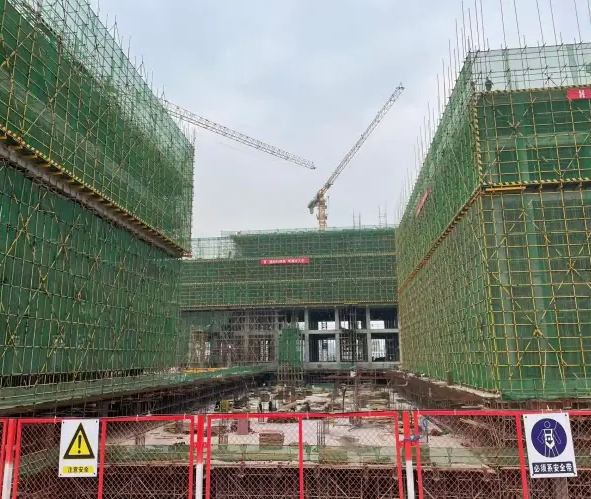
A scaffolding system is not only a temporary structure around a building. It is a working platform that supports construction teams during different stages of a project. From planning and material preparation to daily inspection, every step affects safety, efficiency, and site management.
For contractors and project managers, understanding how a large scaffolding operation develops can help them make better decisions. A clear process is especially important when projects involve complex structures, multiple work areas, and long construction periods.
Planning the Structure Before Installation
Before scaffolding is installed, project teams usually review the building design, working height, access requirements, and construction schedule. These details influence the type of scaffolding system, layout design, and installation method.
A proper plan considers worker movement, material transportation, and maintenance access. It also needs to match the actual conditions of the site, including ground stability and surrounding space.
For global construction projects, different regions may have different construction practices, regulations, and site requirements. Suppliers and contractors often need to communicate clearly to select suitable solutions for each location.
The planning stage of a scaffolding large construction project involves more than choosing equipment. It includes coordination between engineers, installers, and project managers to reduce problems during later construction activities.
Understanding Installation and Daily Operation
The installation process usually starts with site preparation. Workers check the foundation area, organize materials, and assemble components according to the approved design. Proper installation creates a stable working environment for construction activities.
During operation, regular checks are important. Weather conditions, usage frequency, and changes in construction progress may affect how scaffolding is managed. Inspection records help teams identify potential issues and maintain organized site operations.
Rongze provides scaffolding-related solutions for construction applications. They focus on supporting project needs through practical equipment options and service coordination. Their products are used in different construction environments where temporary access and working platforms are required.
For contractors handling large construction projects, communication with suppliers can influence the smooth progress of installation and operation. Clear information about project conditions helps both sides prepare suitable arrangements.
Managing Safety and Efficiency on Large Sites
Large construction sites often include many working levels and different construction tasks. Scaffolding systems need to support workers while allowing teams to move materials and tools in an organized way.
Site managers usually create inspection schedules and operating procedures. These steps help workers understand how to use the structure correctly and how to report changes during daily work.
A well-managed scaffolding system also supports construction efficiency. When access points, platforms, and working areas are arranged properly, teams can complete tasks with fewer interruptions.
For international projects, companies need to consider local requirements and project conditions. Climate, building styles, and construction methods may vary between regions, which can affect equipment planning.
Considering Supplier Support and Project Coordination
Choosing a scaffolding supplier involves more than checking product availability. Buyers often review manufacturing capability, quality management, delivery coordination, and technical communication before starting cooperation.
A supplier that understands project workflows can help customers prepare equipment according to actual needs. This is especially important for large developments that require careful scheduling and coordination between multiple teams.
Rongze works with construction partners by providing scaffolding solutions and related support. It communicates with customers about application requirements and project situations to help match equipment selection with construction plans.
For international buyers, supplier experience can also affect project communication. When working across regions, clear documentation and stable cooperation methods can support better project preparation.
Good coordination also includes understanding delivery schedules, installation procedures, and site feedback. These details allow construction teams and suppliers to adjust plans when project conditions change. A structured communication process can reduce misunderstandings between different parties involved in construction work.
Looking at the Complete Project Process
From initial planning to final removal, a scaffolding project includes many connected steps. Design, installation, inspection, and coordination all influence the overall construction process.
Understanding these stages helps contractors evaluate their requirements before purchasing or renting equipment. It also allows project teams to create more realistic schedules and resource plans.
A complete view of a scaffolding large construction project shows why preparation and communication are important. The structure itself is only one part of the process, while management and coordination also play important roles.
Project reviews after completion can also provide useful information for future work. Teams can record installation experience, maintenance feedback, and equipment performance during the project period. These records help contractors improve planning methods and prepare more suitable arrangements for similar construction environments in the future. They also support supplier coordination over long project timelines.
Building Better Approaches for Future Projects
Scaffolding projects require careful planning, practical installation methods, and ongoing site management. These elements help construction teams handle different building conditions and working requirements.
As construction demand grows in different regions, companies involved in global construction projects need reliable cooperation and clear project understanding. By reviewing each stage from planning to operation, teams can create more organized workflows.
The company continues to support construction partners with scaffolding-related services and solutions. It helps customers review project requirements and develop suitable approaches based on application conditions. Its cooperation process focuses on communication, application review, and project coordination to support construction planning.