

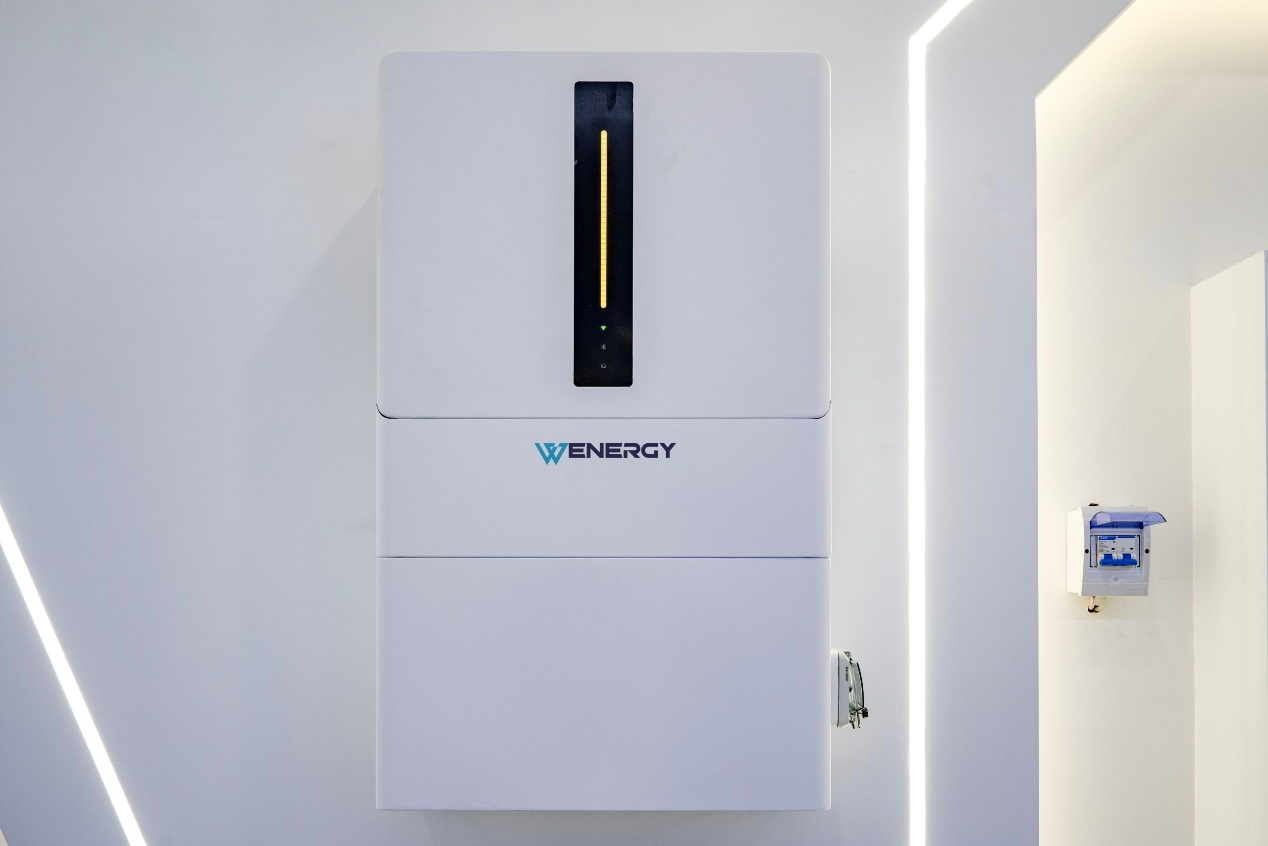
Rising electricity prices and growing grid uncertainty are pushing homeowners to rethink how energy is generated, stored, and consumed. From a third-party industry perspective, residential energy storage is no longer viewed as a lifestyle upgrade—it has become a strategic tool for cost control and energy resilience. When paired with solar generation, a home solar battery storage system fundamentally changes how households interact with the grid, turning passive consumers into active energy managers.
Rather than relying solely on fluctuating utility tariffs, homeowners using modern home energy storage systems can optimize when and how electricity is used. This shift directly translates into lower monthly bills, greater predictability, and long-term financial savings.
Maximizing Solar Self-Consumption
One of the most direct ways a home solar battery storage system reduces electricity costs is by increasing solar self-consumption. Without battery storage, excess solar power generated during the day is often exported to the grid at relatively low feed-in tariffs. That same energy is then repurchased at higher rates in the evening.
By storing surplus solar energy and using it after sunset or on cloudy days, homeowners can reduce their reliance on grid electricity by up to 80%. From an economic standpoint, this approach significantly improves the return on investment of rooftop solar. Industry analysts consistently note that home energy storage systems allow households to retain more value from every kilowatt-hour generated, rather than surrendering that value to the grid.
Peak Shaving and Tariff Optimization
Electricity pricing structures are increasingly shifting toward time-of-use models, where power costs spike during peak demand hours. A well-configured home solar battery storage system enables effective peak shaving by discharging stored energy during these high-tariff periods.
Instead of drawing expensive grid power in the early evening, households can rely on their batteries, flattening demand and avoiding premium pricing. From a third-party energy consultant’s viewpoint, this capability is especially valuable in regions with aggressive peak tariffs. Over time, strategic peak shaving supported by home energy storage systems can deliver substantial cumulative savings, even in homes without exceptionally high energy consumption.
Backup Power and Off-Grid Capability
Cost savings are not limited to daily electricity bills. Power outages carry indirect financial risks, from spoiled food to disrupted remote work. Modern home energy storage systems offer seamless backup power, switching to battery supply in as little as 10 milliseconds. This near-instant transition ensures critical appliances and systems remain operational without interruption.
For homeowners seeking deeper independence, scalable battery capacities ranging from 5kWh to 30kWh make partial or full off-grid living achievable. While off-grid configurations represent a higher upfront investment, industry observers recognize that long-term insulation from utility price hikes can offset initial costs. A robust home solar battery storage system effectively locks in energy costs for years to come.
A Smarter Path to Residential Energy Savings
Viewed from a broader market perspective, the financial logic behind residential storage is clear: greater self-consumption, smarter tariff management, and improved resilience all contribute to lower total energy costs. As adoption accelerates, homeowners are increasingly selective about technology providers that combine reliability with scalable design.
Brands such as Wenergy are gaining attention for delivering thoughtfully engineered home energy storage systems that align with these priorities. By offering flexible, high-performance solutions for modern households, Wenergy supports a more efficient, cost-conscious approach to residential energy—one where savings are built into everyday power use rather than dependent on short-term incentives.