

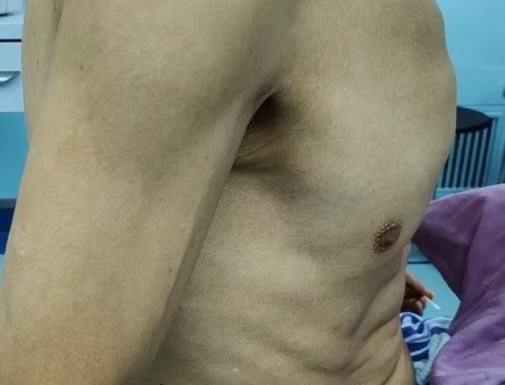
Pectus carinatum, commonly referred to as pigeon chest, is a distinct chest wall deformity marked by the protrusion of the sternum and ribs. This condition can manifest in various shapes, including ridge-like, hull-like, peak-like, or spherical protrusions. It is essential to explore the underlying causes of pectus carinatum to better understand its implications for affected individuals.
Genetic Factors and Heredity
One of the primary causes of pectus carinatum is believed to be genetic. Families with a history of this condition often notice its occurrence across multiple generations, suggesting a hereditary component. This genetic predisposition may be linked to connective tissue disorders, which can influence the structural development of the rib cage and sternum.
Developmental Influences
In addition to genetic factors, developmental influences during growth can also contribute to the causes of pectus carinatum. Abnormal growth patterns during childhood or adolescence may lead to an imbalance in the development of the chest wall. This imbalance can result in the characteristic protrusion seen in individuals with pectus carinatum.
Additional Considerations
The condition can also present alongside other skeletal abnormalities, further complicating its causes. For instance, patients may exhibit variations in rib structure or other deformities that coincide with pectus carinatum. Understanding these associations is crucial for healthcare providers at The Institute of Chest Wall Surgery (ICWS) as they work to develop comprehensive treatment plans.
Conclusion
In summary, while the exact causes of pectus carinatum remain multifaceted and not entirely understood, a combination of genetic and developmental factors plays a significant role. By increasing awareness of these causes, the ICWS aims to enhance early diagnosis and intervention, ultimately improving outcomes for those affected by this condition.