

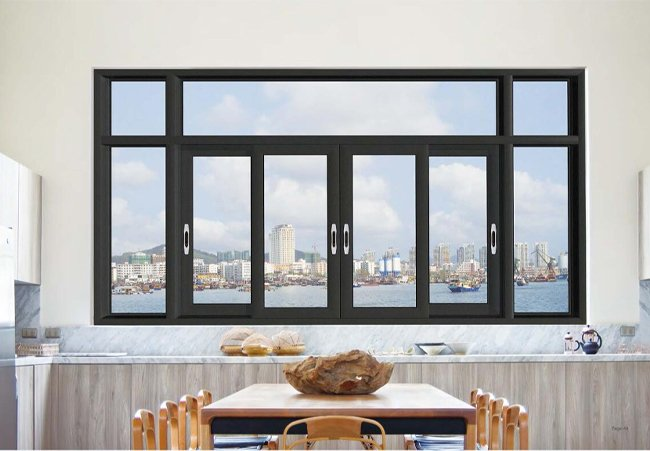
When investing in home renovations or commercial developments, longevity is often the deciding factor. While aesthetics and initial costs matter, the “true” value of a window is measured by how many decades it can withstand the elements without failing. For those considering aluminum sliding windows, the news is overwhelmingly positive. In the world of structural materials, aluminum is renowned for a lifespan that frequently doubles that of alternative materials like vinyl or wood.
The Science of Aluminum’s Longevity
The primary reason aluminum outperforms other materials lies in its chemistry. Aluminum is a non-ferrous metal, meaning it does not contain iron and is therefore naturally immune to rust. When exposed to air, it forms a microscopic oxide layer that acts as a continuous, self-healing shield against corrosion.
Beyond its chemical resistance, aluminum’s mechanical stability is a key factor in its durability.
- Resistance to Warping: Unlike uPVC (vinyl), which can become brittle and warp under intense UV exposure, or wood, which swells and rots with moisture, aluminum maintains its “plumb” and squareness.
- Structural Integrity: Because it is a rigid metal, it can support heavy double- or triple-glazed units for decades without the frame sagging or the sliding track deforming.
- Thermal Stability: Aluminum has a low coefficient of thermal expansion compared to plastics. This means the seals and joints undergo less stress as temperatures fluctuate between summer heat and winter cold.
With basic care, high-quality aluminum frames can easily last 30 to 45 years, with some industrial-grade installations exceeding the 50-year mark.
Factors That Influence Window Lifespan
While the material itself is nearly indestructible, the functional life of a window is influenced by several external factors. To ensure your sliding windows reach their maximum potential, it is important to choose an experienced aluminum sliding window company that prioritizes these three elements:
- Surface Finish: Modern aluminum is typically finished with a high-performance powder coating. This polyester-based finish is baked onto the metal, creating a surface that is resistant to scratches, fading, and acid rain.
- Hardware Quality: A sliding window is only as good as its rollers and tracks. High-quality stainless steel or brass rollers ensure the window continues to glide effortlessly, preventing the physical “jerking” that can damage frames over time.
- Seal Integrity: The EPDM (synthetic rubber) gaskets used in premium systems are designed to remain flexible. If seals are maintained and kept free of debris, they prevent the moisture ingress that can lead to internal condensation.
Engineered for Generations: Bunniemen
Achieving a half-century of performance requires more than just raw aluminum; it requires precision engineering. As a reliable aluminum sliding window manufacturer, Bunniemen produces high-end windows that are durable, stylish and practical. Their production process strictly adheres to ISO quality standards. Each window undergoes rigorous quality control checks to ensure excellent quality.
A testament to their focus on durability is the Bunniemen 65 Series Aluminum Sliding Window. This system is built with 1.8mm-thick thermal-insulated aluminum profiles—a significantly more robust gauge than standard residential windows. The 65 Series features a 5-12A-5 double tempered glass configuration, providing not only impact resistance but also long-term thermal efficiency.
By utilizing high-grade German or Chinese hardware and UV-resistant powder coatings, Bunniemen ensures that their windows operate as smoothly in year thirty as they do on day one. For architects and homeowners seeking a partner that understands the nuances of long-term structural performance, the 65 Series offers a sustainable, low-maintenance solution that stands the test of time.