

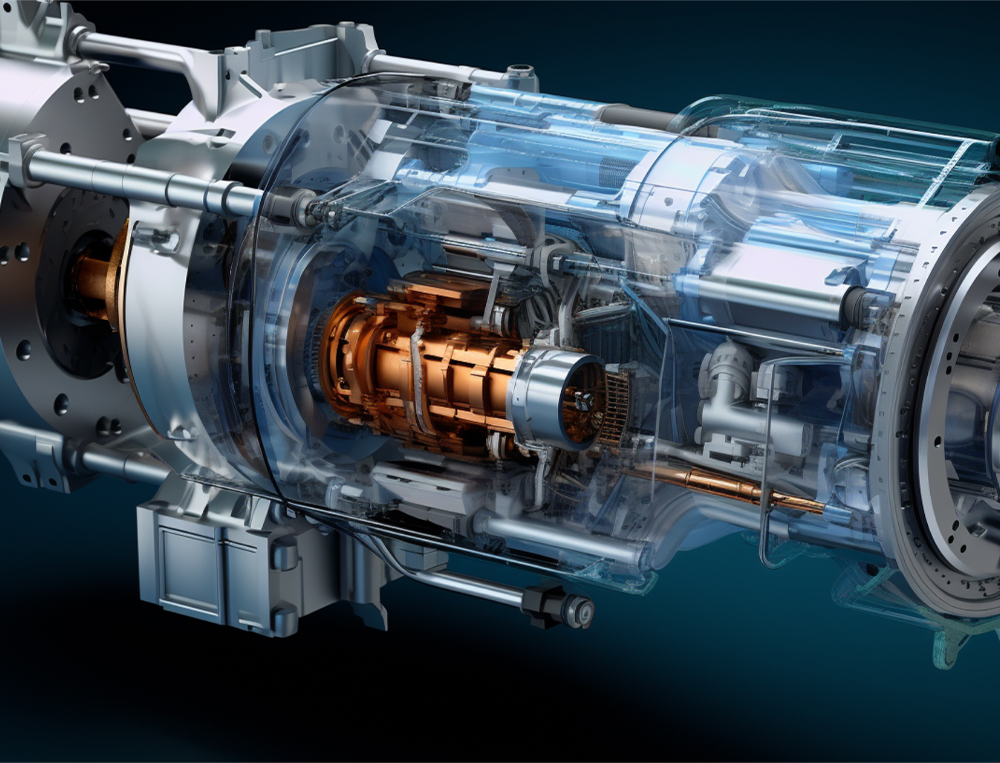
Generator insulation technology is evolving to meet higher efficiency targets, stricter reliability expectations, and sustainability goals in power generation and industrial sectors. For procurement and engineering teams, understanding trends in generator insulation materials informs future‑proof specifications and supplier strategies. This article outlines emerging directions for generator insulation and how well-established suppliers such as Sui On Insulating fit into the transition.
Trend 1 — Higher thermal‑class materials and composite systems
As generators are pushed for higher power density and elevated operating temperatures, the demand for advanced insulation systems increases. Materials with higher thermal ratings—improved polyimide films, enhanced Nomex® polyamide papers, and mica-composite systems—enable reduced cooling margins and longer service life. Composite insulation systems that combine thermal endurance, mechanical strength, and improved impregnation characteristics are becoming standard practice for high-voltage generators, aligning material selection with tighter thermal and electrical performance envelopes.
Trend 2 — Digital validation, traceability and accelerated qualification
Industry adoption of digital test data, traceable batch documentation, and accelerated aging protocols shortens qualification cycles and reduces program risk. Suppliers providing standardized test packages, UL listings, and ISO-level system certification (ISO9001, ISO14001, IATF16949) help OEMs validate generator insulation materials more rapidly. Distributors and processors such as Sui On Insulating that deliver traceable lot information and sample kits support this move toward data-driven procurement.
Manufacturing and sustainability drivers influencing material choice
Manufacturing trends—automation, tighter tolerances, and just-in-time sourcing—favor insulation materials that are compatible with high-throughput processes (consistent widths, low scrap). Simultaneously, sustainability considerations push buyers to prioritize materials with lower embodied energy, recyclability, and supplier environmental certifications. Polyester films and certain recyclable composites gain traction where operating temperatures permit; higher‑performance materials continue to be required for demanding high-voltage applications.
Strategic outlook: Align insulation strategy with performance, risk and sustainability goals
For B2B decision-makers, future generator insulation selection should balance advancing material performance (thermal class,dielectric stability) with manufacturing integration and sustainability targets. Working with experienced suppliers and processors—such as Sui On Insulating—provides access to certified materials, processing expertise, and traceable data that support scalable adoption of next-generation generator insulation materials.