

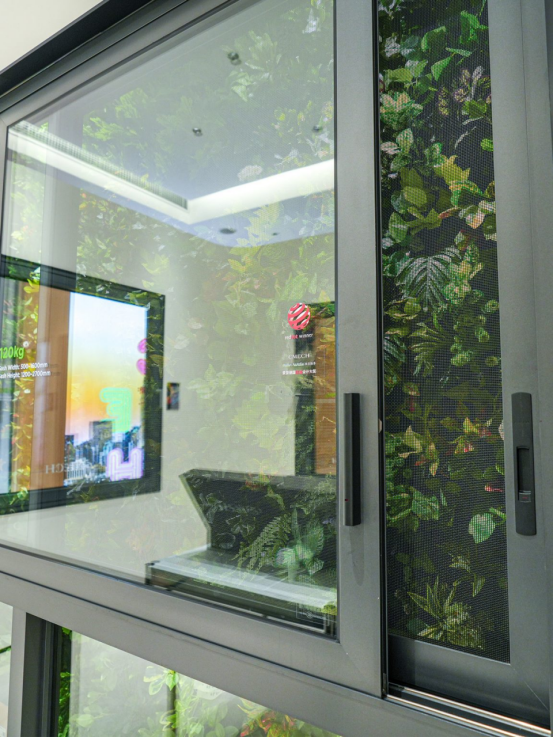
Rollers determine whether a sliding sash feels light or frustrating after months of use. Sliding window hardware rollers must carry glass weight, tolerate repeated movement, and remain quiet along the track. The comparison between ball-bearing and nylon designs should focus on load, noise, wear, and maintenance conditions rather than material names alone. CMECH sliding window hardware information includes roller assemblies, hook locks, recessed handles, and safety components for sliding systems. That context helps designers compare roller choices within the whole sash package.
Ball-Bearing Rollers Favor Load and Smoothness
Ball-bearing rollers are commonly chosen when a sash needs smoother movement under heavier loads. They can reduce friction and help users move large panels with less effort. However, their durability depends on bearing protection, track cleanliness, and corrosion resistance. Sliding window hardware should be assessed as a complete system because even a strong bearing can perform poorly on a damaged or misaligned track. Track shape, wheel coating, bearing quality, and bracket stiffness all influence whether movement stays smooth.
Nylon Rollers Can Reduce Noise
Nylon or polymer-based rollers are often valued for quieter operation and resistance to certain surface damage. They may suit lighter windows or interior conditions where noise control matters more than maximum load capacity. Sliding window hardware rollers made with coated or engineered wheels can also protect the track from harsh contact. The correct choice depends on sash weight, frequency of use, and the required feel during operation. Maintenance teams should record roller type and load rating for future replacements.
Testing and Ratings Matter More Than Labels
CMECH states that its rubber-coated wheels have passed 120,000 cycles and are designed to remain quiet and wear-resistant during smooth gliding. Such testing gives specifiers a better basis than simply comparing material names. Sliding window hardware should be selected using load ratings, cycle data, bracket structure, and compatibility with the window profile. A label alone cannot prove service life.
The longer-lasting roller is the one matched to the window, track, and building environment. Sliding window hardware rollers should be chosen according to sash weight, cycle demand, noise target, corrosion exposure, and maintenance practice. CMECH product information helps project teams evaluate rollers as part of sliding window hardware rather than as small replaceable wheels. When roller capacity and track quality are aligned, the sash stays easier to move over time.