

Marine air conditioning systems face different challenges from land-based cooling equipment. Boats and yachts operate in changing environments where power capacity, cabin comfort, and energy use require careful management. Traditional fixed-speed compressors typically require a higher inrush current during startup because the motor starts directly at full operating speed. Variable-frequency technology can help reduce startup current by gradually increasing compressor speed instead of applying full power immediately, helping marine users manage electrical loads more effectively.
Understanding Startup Current in Marine Systems
Startup current refers to the temporary increase in electrical current when a motor or compressor starts. In marine applications, this moment can affect onboard power systems, especially when several devices operate at the same time. Reducing this initial power demand helps create smoother equipment operation and supports more stable energy management.
Variable-frequency technology reduces startup current by using inverter control to gradually increase compressor frequency and motor speed, avoiding the sudden electrical demand of direct-on-line startup. This process reduces sudden electrical demand and allows the system to respond more smoothly to cabin conditions.
Why marine air conditioning units Need Better Power Control
Power resources on boats are often limited compared with buildings connected to public electricity networks. Generators, batteries, and inverters need to handle different electrical loads during navigation or when the boat is docked. Efficient power control becomes an important consideration for onboard equipment.
Compared with fixed-speed models, modern marine air conditioning units with variable-frequency systems can adjust output more flexibly. The compressor changes speed according to cooling requirements instead of repeatedly starting and stopping. This operating method can reduce unnecessary energy consumption and improve overall comfort.
The Role of Variable-Frequency Compressors
A variable-frequency compressor uses electronic control technology to regulate motor speed. When cabin temperature is close to the desired setting, the compressor can slow down. When more cooling or heating is needed, it can increase output. This adjustment helps maintain a more stable indoor climate.
For marine environments, stable operation is valuable because temperature and humidity conditions can change quickly. Variable-frequency systems can respond to these changes while reducing frequent compressor cycling. This can also contribute to quieter operation, which is important for sleeping areas and private cabins.
How Variable Frequency Supports Marine Air Conditioning Units
The design of marine air conditioning units requires attention to saltwater exposure, humidity, vibration, and limited installation space. Variable-frequency technology supports these requirements by allowing equipment to operate with controlled power changes rather than repeated high-current starts.
This technology also helps reduce stress on electrical components. Lower startup impact may support longer equipment service life when the system is correctly installed and maintained. For boat owners and marine equipment suppliers, understanding these technical factors helps with selecting suitable climate control solutions.
Energy Management in Boat and Yacht Cabins
Cabin comfort depends on more than cooling capacity. Power availability, noise levels, and operating conditions all influence user experience. Variable-frequency systems can match output with real demand, which is useful during long trips when energy management becomes important.
For yacht manufacturers, boat builders, and marine equipment distributors, choosing suitable climate systems requires consideration of both performance and application conditions. Systems designed for marine use need to balance temperature control with practical installation requirements.
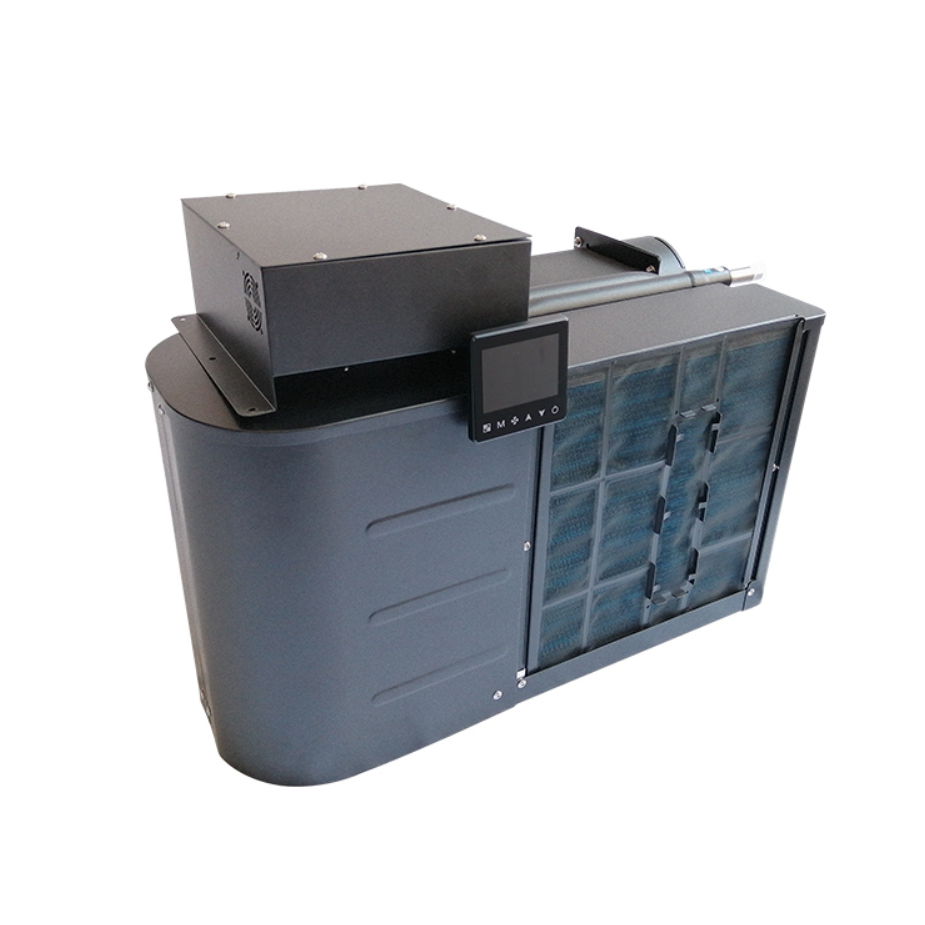
Product Example: Marine Air Conditioner 12,000 BTU 220V AC Cooling & Heating
The ZhuoliMarine 12,000 BTU marine air conditioner (MAR-220V/12BP) is a 220V AC variable-frequency unit built for reliable cooling and heating in boat and yacht cabins. Designed to handle saltwater exposure, humidity, and harsh sea conditions, it delivers fast temperature stabilization and quiet operation throughout the season. Its variable frequency technology delivers energy-efficient performance, adapting to complex marine climates while maintaining stable and reliable operation.
This type of marine climate equipment shows how variable-frequency technology can be applied in practical onboard environments. The system combines cooling and heating functions in one unit, which helps meet different seasonal requirements. It is suitable for marine applications where space and power management need careful planning.
Installation Factors Affecting System Performance
Correct installation has a direct influence on air conditioning efficiency. Marine technicians usually consider airflow design, electrical connections, seawater conditions, and maintenance access before installation. Proper planning helps the system operate according to its designed performance.
Regular inspection is also important for marine equipment. Checking electrical parts, air filters, and related components can help identify possible issues during long-term operation. These maintenance practices support consistent performance in different marine environments.
Choosing Suitable Climate Solutions for Marine Applications
When selecting a marine cooling system, buyers need to consider vessel size, power supply conditions, cabin layout, and climate requirements. A suitable system should match the actual operating environment instead of focusing only on cooling capacity.
Variable-frequency technology provides a practical solution for reducing startup current and improving operating flexibility. It helps marine equipment suppliers offer solutions that fit modern boats and yachts where comfort, energy use, and reliability are connected.
A Practical Approach to Modern Marine Climate Control
Variable-frequency technology changes the way compressors manage power demand during startup and daily operation. By adjusting speed according to conditions, it supports smoother performance and better energy management for onboard applications. This approach has become an important consideration for companies involved in vessel equipment selection and integration.
ZhuoliMarine develops climate control solutions for boat and yacht applications, including variable-frequency air conditioning systems designed for cooling and heating needs. They focus on practical product design, adaptation to offshore environments, and support for professional customers. For businesses looking for air conditioning solutions for vessels, contact ZhuoliMarine to explore suitable options for different boat applications.