

Modern fleets need more than a location point on a digital map. Managers often need route history, live position, video evidence, driving events, and device status in the same operating process. A vehicle tracking platform can connect these data sources and help teams understand where a vehicle is, what happened during a trip, and which events may require review.
This applies to logistics, mining, oil and gas, public transport, cold chain, engineering fleets, and school buses. Each sector has different conditions, but all need timely information for dispatch, incident review, and daily coordination.
GPS Data Is Only One Part of Fleet Visibility
GPS tracking can show vehicle position, route history, speed, and stop duration. These functions help dispatch teams follow movement, but location data alone may not explain why a delay, harsh event, or unusual stop occurred.
Video telematics adds visual context. Road-facing and in-cab cameras can help teams review surrounding traffic, driver behavior, and the situation linked to an event. When GPS records and video clips share the same timeline, supervisors can investigate incidents with more detail instead of relying only on driver reports.
For a larger fleet, location, alarms, vehicle status, and video evidence should be organized around the same trip. This makes review easier across several vehicles, shifts, or routes.
Real-Time Information Supports Faster Decisions
Fleet conditions can change quickly. Traffic congestion, route deviation, delayed loading, vehicle faults, or unexpected stops can affect a schedule. Managers need current information to decide whether a vehicle should continue, receive support, or be reassigned.
With real time fleet tracking software, dispatchers can compare current movement with planned operations and identify events that need attention. This reduces the need to contact every driver before understanding what is happening on the road.
Video can make alerts easier to interpret. A harsh braking event may result from congestion, a pedestrian, sudden road conditions, or unsafe driving. Related footage gives fleet teams more context before they decide whether training, maintenance, or operational follow-up is needed.
Device Configuration Affects Deployment Efficiency
Tracking and video systems depend on the devices installed in each vehicle. Large projects may involve different camera layouts, communication settings, storage rules, alarm thresholds, and server parameters. Repeating these settings manually across many devices can slow deployment and increase configuration mistakes.
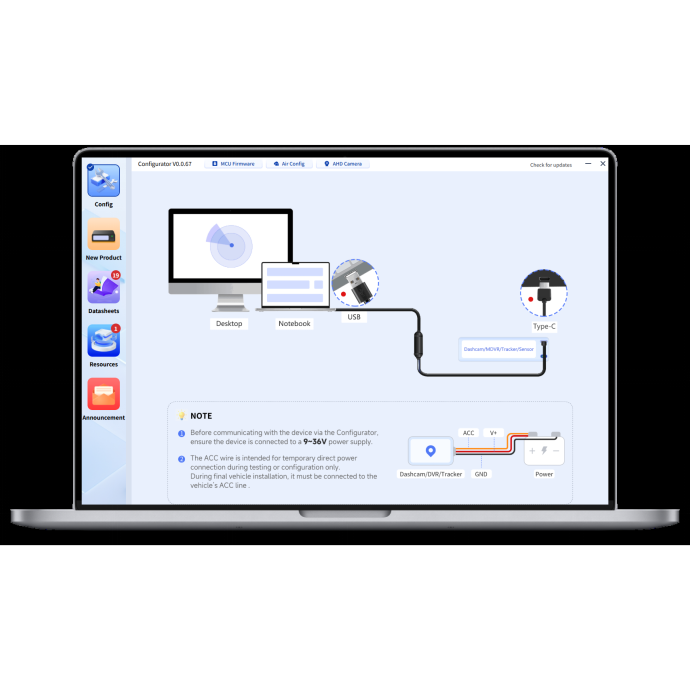
A dedicated configuration tool can give technicians a structured setup process. BSJ Technology Configurator supports device setup, parameter configuration, and deployment efficiency. It also provides access to product resources in one place, which can help distributors, system integrators, and fleet solution providers preparing several units for one project.
The main goal is consistency. Similar settings across vehicle groups let technicians prepare devices in a repeatable way before installation. This also gives the project team a clearer reference for later troubleshooting.
Platform Compatibility Matters in B2B Projects
Many fleet operators already use dispatch software, ERP tools, monitoring systems, or third-party fleet platforms. New telematics hardware should fit into an existing software environment instead of creating another isolated source of data.
Third-party integration can help system integrators connect GPS and video devices with platforms such as Wialon or GpsGate. This gives project teams more flexibility when they already have established software workflows or need to combine hardware from different suppliers.
A suitable real time fleet tracking software environment can reduce fragmented information. When location, alarms, device status, and event data can move through compatible interfaces, managers can review operations without switching repeatedly between unrelated systems.
Hardware Capability Still Matters
Software functions depend on the hardware installed in the vehicle. Telematics devices may face vibration, temperature changes, long operating hours, unstable power, and different network conditions. These factors should be considered before selecting hardware for a project.
Video telematics projects also require decisions about camera channels, storage, communication, AI functions, and remote management. The right combination depends on vehicle type, route conditions, and monitoring goals.
BSJ Technology focuses on AI video telematics devices, Fleet IoT, GPS tracking, and fleet management solutions. They have more than 400 R&D personnel, a global technical support department, hardware engineering capabilities, OEM and ODM options, and an open ecosystem that supports third-party software integration.
Different Industries Need Different Priorities
Logistics fleets may focus on route progress, delivery timing, and driver behavior. Cold-chain operators may watch delays and route discipline. Mining and engineering fleets often work in complex sites where video review supports incident analysis.
Public transport and school bus projects may place more emphasis on route compliance, vehicle position, and event review. Oil and gas fleets may need stronger visibility across remote routes and controlled operating areas.
For these projects, a vehicle tracking platform should be evaluated against real operating workflows. Project teams should check device compatibility, deployment methods, integration options, and support processes rather than only comparing long feature lists.
From Data to Daily Fleet Control
GPS, video, AI events, and device status become more useful when they support clear decisions. Fleet teams should first define what they need to monitor, which events require video evidence, how devices will be configured, and how data will connect with existing systems.
A well-planned real time fleet tracking software setup can support dispatchers, managers, distributors, and system integrators with more consistent information. The practical value comes from connecting devices, data, and operating procedures so tracking becomes part of daily fleet management rather than a separate monitoring task.