

A hotel mattress serves many sleepers, but it also has to survive a routine of cleaning, bed making, room turnover, and occasional replacement. Selecting its materials therefore begins with the operating conditions of the property. A soft showroom impression cannot show whether a cover will suit frequent handling, whether the edge remains stable, or whether a later order will match the beds already installed. The material brief has to connect guest comfort with repeatable project specifications.
Hotels differ in guest profile, bed bases, room sizes, and maintenance practices. A resort, an extended-stay property, and a high-turnover city hotel may rank material requirements differently. The selection task is to separate essential performance from optional feel and appearance, then test a construction that can be supplied consistently across the relevant room groups.
Begin With Contact and Cleaning Conditions
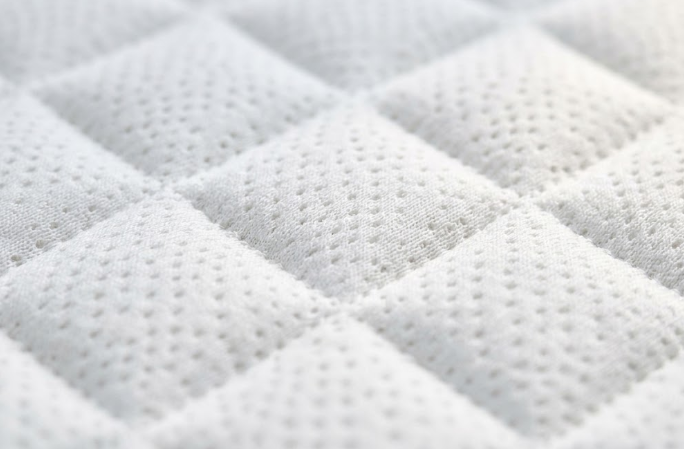
Among mattress materials, fabric is most visible to guests and most exposed during routine bed making. Its hand feel, breathability, stitching, and durability affect the experience of using the bed. A knitted or cotton cover can have different tactile and airflow characteristics. The hotel needs to consider its bedding, room climate, cleaning methods, and any applicable fire or procurement requirements before approving a fabric.
Padding and comfort foam sit just below the cover. Polyfiber can add initial cushioning, while high-density foam or memory foam changes how pressure is spread. A guest’s first impression may be dominated by these layers, yet excessive softness can make the support beneath them harder to feel. Samples should be evaluated after lying in several positions and sitting at the edge, not only by pressing a corner of the mattress.
The phrase “best bed mattress material” is incomplete without the project’s maintenance and guest-use conditions. A breathable surface may be valuable in a warm location; a specific fabric finish may be necessary for a property standard. The relevant specification names the material, construction, and expected handling rather than relying on a general claim of hotel quality.
Match the Core to Guest Use and Room Layout
The support system carries repeated loads across many occupants. Pocketed springs can respond locally and can be arranged in zones, while foam layers between the sleeper and springs adjust the apparent firmness. A hotel should define the feel it seeks for a broad guest population and check whether the proposed layer combination produces it consistently. The number of zones or the presence of memory foam alone does not establish a suitable mattress.
Edges matter in hotel rooms because guests sit on them, staff lift bedding around them, and some beds stand close to walls or furniture. Foam-wrapped or reinforced edges can help maintain a stable usable surface. Height also changes the final bed presentation and the ease of making it. A construction that feels right in isolation may need adjustment if the bed base, protector, or bedding changes the guest’s experience.
Suisin Furniture‘s project examples illustrate two distinct specifications. Its MT-210 lists flame-retardant cotton above high-density foam and a 2.0 mm smart pocket-spring support layer. The MT-208 uses a five-zone independent pocket-spring system and foam-wrapped edge support. These model details create concrete questions for a hotel: which construction addresses its desired comfort, what fire-performance documentation applies to the destination, and how will the chosen sample be reproduced for every room?
Suisin Furniture also lists combinations of pocket springs, high-density foam, memory foam, rigid cotton, knitted or cotton fabrics, and reinforced edges. Sizes and fabrics on the cited models are customizable. That flexibility does not eliminate the need for a room schedule and model-specific approval. If one wing uses a different bed size or fabric, the distinction has to appear in the order and the inspection reference.
Specify What the Project Will Verify
Material decisions become manageable when each one can be checked. The hotel can record cover type, layer order, spring construction, edge treatment, finished size, and permitted variation. Samples then test both comfort and practical fit in the intended room. A procurement team may also review component documentation, including fire-related claims, against the requirements of its location and contract.
For mattress materials, consistency across the shipment is as important as the feel of one approved unit. An inspection plan can compare the incoming mattress with the sample and the written layer specification. If a material substitution is proposed, the hotel can assess its effect on feel, dimensions, appearance, and compliance before accepting it. Unrecorded changes are especially costly when a property installs many beds at once.
Select for the Property, Then Confirm the Sample
The best bed mattress material choice depends on the property’s guests and operations: a suitable surface, controlled pressure feel, stable support, durable edges, and a construction that fits the room. A project buyer can compare candidate mattresses against those functions rather than looking for one universally superior material.
Material names become procurement decisions only when attached to an approved sample and a checkable specification. Later replacements need that same approved material and model record. The hotel’s final choice is the construction it can install, maintain, and order again with the same intended guest experience.