

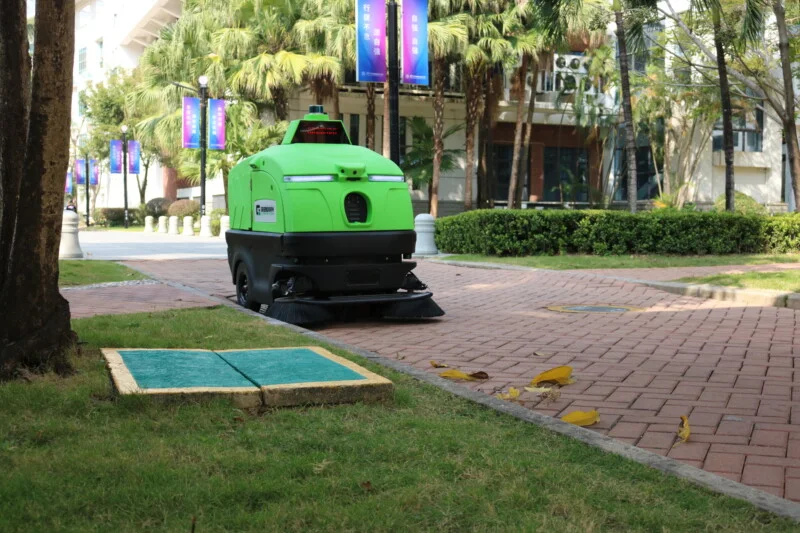
In the rapidly evolving landscape of 2026, the shift from traditional internal combustion to electric street sweepers has moved from a progressive choice to a strategic necessity for global municipalities and private facility managers. Scaling a fleet effectively requires a deep understanding of how electric propulsion integrates with industrial-grade cleaning performance. Unlike legacy systems, modern electric units offer the dual advantage of zero CO2 emissions and near-silent operation, allowing for “dawn patrol” or late-night shifts in noise-sensitive residential areas. This quiet efficiency is a cornerstone of the Greendorph mission, which focuses on restoring dignity to sanitation workers by providing tools that are smarter, safer, and inherently sustainable.
Evaluating Performance Specs for Fleet Integration
When scaling your inventory, the technical specifications of a street sweeper must be audited to ensure they meet the demands of large-scale urban maintenance. A reliable unit, such as the YJ80 or YJ130, should offer a cleaning efficiency rating of over 95%, capable of capturing everything from fine dust and cigarette butts to larger industrial debris. According to the Greendorph product data, these machines are built to operate continuously for an average of six to eight hours on a single charge, powered by robust 48V/200 AH Lithium (LFP) battery systems. For fleet managers, this runtime is critical because it mirrors the typical human work shift, ensuring that the transition to electric does not result in lost productivity. Furthermore, the ability to handle various floor types—including asphalt, cement, and cobblestone—ensures that a single fleet can be deployed across diverse environments like parks, industrial campuses, and city sidewalks.
The Role of Automation in Fleet Scalability
One of the most effective ways to scale a sanitation operation without exponentially increasing labor costs is the adoption of autonomous technology. A modern street sweeper is no longer just a manual tool; it is a data-backed asset capable of fully autonomous operation, auto-following, and intelligent path planning. The YJ130 model exemplifies this by utilizing 360-degree environmental perception sensors, including LiDAR and ultrasonic arrays, to navigate safely around obstacles and pedestrians. This level of autonomy allows a single operator to manage multiple units simultaneously, effectively turning a traditional cleaner into a fleet commander. By leveraging AI-powered navigation, fleet managers can reduce repetitive cleaning tasks by up to 40% and save nearly 22% in energy consumption, as these “smart” robots optimize their routes based on real-time environmental data.
Implementing a Data-Driven Maintenance Strategy
Reliability in a growing fleet is maintained through predictive analytics and intelligent management platforms. Reliable suppliers provide integrated software solutions, such as mobile apps and cloud platforms, that allow managers to track the real-time status of every street sweeper in their inventory. This data includes square footage covered, battery health, and automatic alerts for garbage overflow or required maintenance. By moving away from reactive “break-fix” cycles and toward a proactive maintenance schedule, companies can significantly lower their long-term operational costs. Greendorph supports this through a global network that offers 24/7 technical assistance and specialized training, ensuring that even as a fleet scales into the hundreds of units, each machine continues to operate at peak efficiency with minimal downtime.
Environmental Impact and ESG Compliance
In 2026, corporate and municipal sustainability goals are major drivers for the adoption of electric street sweepers. These machines are essential for meeting strict ESG (Environmental, Social, and Governance) targets, as they eliminate the nitrogen oxides and particulate matter typically emitted by diesel-powered alternatives. Beyond air quality, advanced units are designed to minimize water waste and chemical overuse through intelligent misting and dust suppression systems. The move toward a zero-carbon fleet also future-proofs an organization against tightening environmental regulations and carbon taxes. By selecting a partner committed to full-lifecycle carbon neutrality, such as one emphasizing battery reuse and solar-ready charging, fleet managers can ensure their sanitation strategy contributes positively to the global environment while maintaining a pristine public image.
Maximizing ROI through Versatile Multi-Functionality
To get the most out of a scaled fleet, each street sweeper should be a multi-functional unit capable of adapting to different seasonal and situational needs. Modern equipment often consolidates several traditional tools into one, featuring primary cleaning systems enhanced by suction, airflow assistance, and high-pressure surface flushing. This versatility means that the same fleet used for dry garbage collection on sidewalks in the summer can be adapted for dust-suppression misting during dry spells or even light snow clearing in industrial zones. The YJ80 series, for example, offers various configurations—from vacuum-focused models to street washers—allowing procurement officers to build a diverse fleet from a single, reliable manufacturer.
Conclusion: Building the Smart Cities of Tomorrow
Scaling a fleet of electric street sweepers is about more than just replacing old machines; it is about embracing a new era of human-robot collaboration. By focusing on 100% electric, AI-powered solutions that offer over 95% cleaning recovery, organizations can solve the labor crises and safety hazards that have long plagued the sanitation industry. The ultimate goal is to create urban and industrial environments that are not only cleaner but also more livable for future generations. As we look toward the remainder of 2026 and beyond, the continued innovation in battery density and autonomous algorithms will only further solidify the role of these smart machines as the backbone of modern urban maintenance. Investing in a high-quality, scalable fleet today is the first step toward a more sustainable and dignified future for the world’s sanitation heroes.