

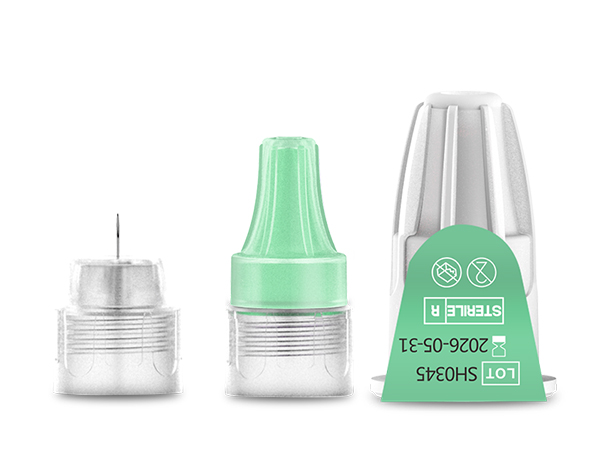
Managing chronic health conditions frequently demands consistent attention, especially when routines are disrupted by travel. Maintaining precise glucose levels usually requires dependable access to specialized delivery devices. Proper preparation generally ensures these therapeutic tools remain safe and functional.
Patients typically invest significant effort into planning itineraries. However, understanding how to manage sensitive medical equipment often deserves equal attention. Implementing effective storage strategies generally helps prevent mechanical failures or compromised sterility while navigating unfamiliar environments.
Before diving into practical carrying tips, it is essential to first explore the importance of proper storage. Protecting these delicate instruments from extreme conditions guarantees optimal functionality and preserves their sterility.
The Importance of Proper Storage for Pen Needles for Insulin
Environmental elements frequently impact the structural and functional integrity of medical supplies. Exposure to harsh conditions might compromise the delicate materials used in modern injection devices. Therefore, users are generally advised to adopt proactive strategies to shield their equipment from potential environmental damage.
Utilizing specialized carrying cases often provides a practical layer of protection. These compartments usually prevent accidental crushing of delicate components. Safely transporting these critical devices generally ensures daily therapy remains smooth and relatively comfortable, regardless of location.
Ideal Environmental Conditions for Medical Supplies
Temperature fluctuations frequently pose significant risks to medical inventory. Extreme heat or severe cold might negatively affect the medication and pen needles for insulin. Individuals traveling through diverse climates should generally monitor the immediate environment surrounding their therapeutic tools carefully.
Furthermore, excessive moisture often threatens the sterile barrier of packaged medical goods. High humidity levels might weaken the adhesive on protective paper tabs, potentially exposing the internal structures to contaminants. Keeping supplies in dry, climate-controlled spaces is typically recommended to maintain optimal safety.
Managing Temperature Extremes During Transit
When utilizing vehicular transport, users are generally cautioned against leaving medical bags in unattended cabins or trunks. Vehicle interiors frequently reach extreme temperatures that may warp delicate plastics. Carrying supplies in a personal bag that stays with the individual usually mitigates these specific thermal risks.
Similarly, air travel typically requires strategic packing decisions. Essential diabetes supplies are generally best kept in carry-on baggage so they remain accessible if checked luggage is delayed or lost. Healthcare professionals frequently suggest keeping all necessary therapeutic items within easily accessible carry-on baggage.
Packaging and Structural Integrity Matters
The original packaging provided by the manufacturer usually serves as the primary defense against environmental contamination. Reputable producers frequently employ robust radiation sterilization techniques to achieve a Sterility Assurance Level of 10-6. This comprehensive process generally minimizes potential infection risks during subcutaneous delivery.
Removing items from their protective casings before the exact moment of use is generally considered an unsafe practice. Loose components scattered within a travel bag frequently accumulate microscopic debris. Keeping the protective seal intact until administration typically promotes a clean and safe therapeutic experience.
Practical Carrying Strategies for Long Days
Organizing a daily travel kit often streamlines the medication administration process in public or unfamiliar settings. Utilizing a bag with distinct, separate compartments generally prevents medical supplies from tangling with everyday items like keys or coins. This separation usually reduces the likelihood of accidental packaging punctures.
Furthermore, carrying a slight surplus of supplies is frequently recommended for long days out. Unexpected delays or accidental drops might necessitate extra equipment. Having backup devices readily available typically alleviates anxiety and ensures that missed doses are broadly avoided.
Selecting Reliable Manufacturers for Travel Needs
The baseline quality of the chosen medical supplies often dictates their resilience during travel. Products utilizing premium alloys generally resist structural deformation better than lower-grade alternatives. This durability frequently proves beneficial when bags are jostled during busy transit.
Partnering with established industry leaders frequently provides users with an added layer of confidence. For instance, SteriLance is widely recognized for engineering medical devices that withstand the rigors of daily use. Their commitment to strict international quality systems generally translates into highly reliable field performance.
Assessing Broad Compatibility Before Departure
Discovering that replacement parts do not fit a specific medication pen while away from home often causes significant distress. Verifying compatibility prior to departure is generally a crucial preparatory step. Devices tested in accordance with ISO 11608-2 standards typically offer extensive interoperability.
Products featuring this specific international certification usually connect securely to a vast array of commercial injection pens. This standardized compatibility frequently prevents frustrating medication leaks during travel. Reliable equipment generally ensures accurate dosage delivery, which remains vital for consistent glucose management.
Safe Disposal Considerations on the Go
Responsible travel planning typically includes preparing for the safe disposal of used medical sharps. Discarding exposed biohazards in standard public waste bins is generally unsafe and frequently prohibited by local regulations. Users must usually account for the complete lifecycle of their medical supplies.
Portable travel sharps containers are frequently available and highly recommended for individuals on the move. These compact, puncture-resistant receptacles generally fit easily into a daypack. Utilizing these specialized containers typically protects hotel staff, sanitation workers, and the general public from accidental injuries.
Disclaimer: This content is provided for general health education and informational purposes only. It does not constitute medical advice, diagnosis, or treatment. Individual health conditions vary, and no health education article can replace a face-to-face consultation with a qualified healthcare professional or licensed medical institution. If you have specific health concerns or feel unwell, please seek care from a licensed medical facility and do not delay treatment because of content on this platform.