

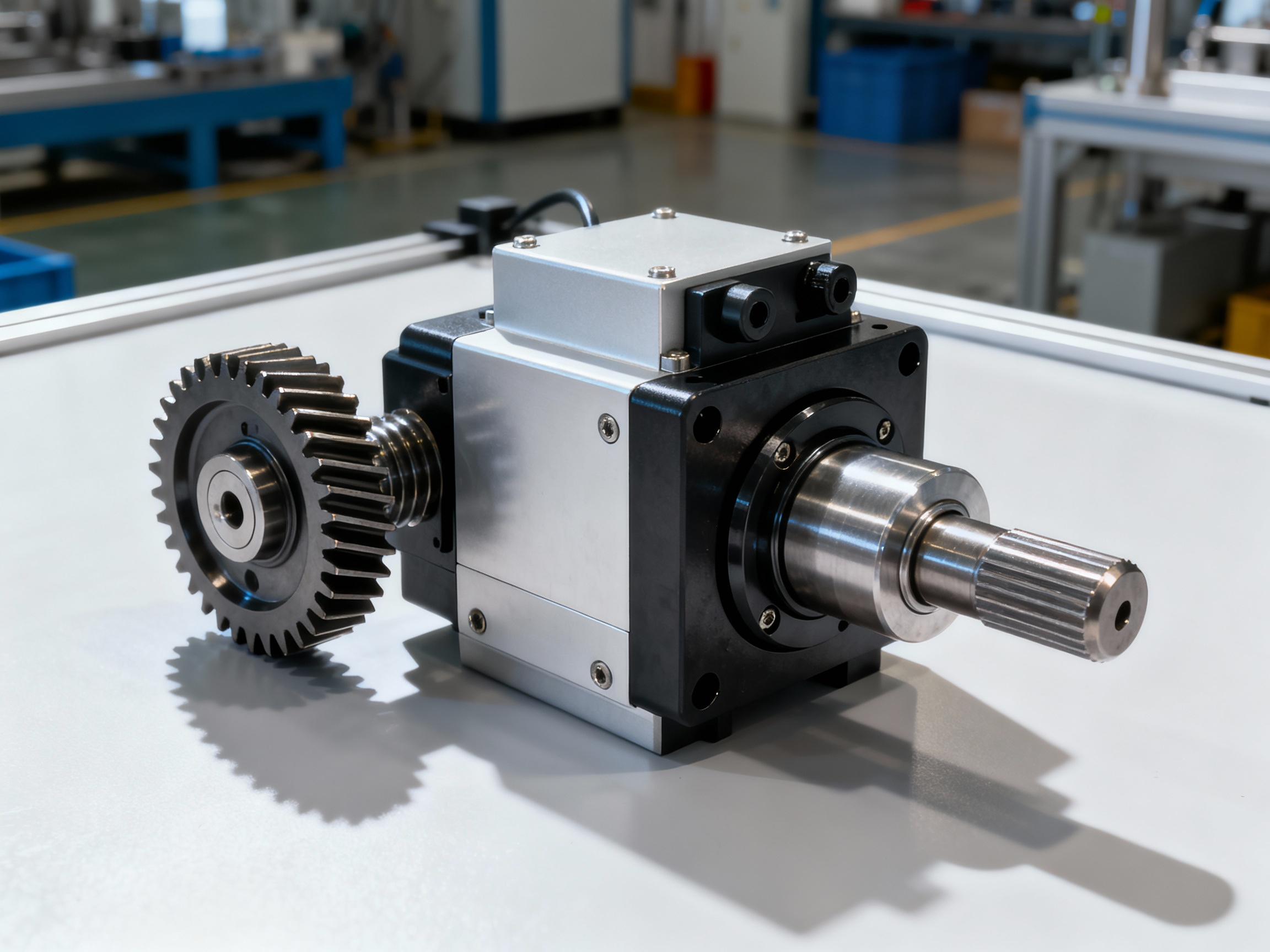
For engineers and procurement leaders in the medical and automotive sectors, sourcing a reliable plastic injection molding China partner often hinges on the ability to produce complex threaded parts without defects. Components like luer connectors and tamper-evident caps require advanced unscrewing molds that go beyond simple stripping methods. The rack-and-pinion mechanism, particularly when servo-driven, represents the pinnacle of this technology, ensuring thread integrity through synchronized motion. This article explores the technical nuances of these mechanisms and how they maintain dimensional accuracy in high-volume production.
Advanced Drive Mechanisms for Thread Accuracy
To achieve the tight tolerances required for medical devices and industrial automation, manufacturers must move beyond traditional hydraulic setups to more precise drive systems that eliminate mechanical play and ensure exact repeatability.
Upgrading from Hydraulic to Servo-Driven Systems
Historically, hydraulic cylinders drove the rack that rotated the mold cores. While powerful, hydraulic systems often suffer from inconsistent speeds due to oil temperature fluctuations and pressure variances. In modern precision plastic injection molding in China, replacing hydraulics with electric servo motors provides a closed-loop feedback system. Servo motors offer precise control over angular position and acceleration.
For instance, in a case study involving screw caps, shifting to servo control reduced thread pitch deviation from ±0.05mm to ±0.015mm. The servo drive allows engineers to program specific acceleration and deceleration profiles, ensuring the core starts and stops rotation exactly when the mold plate moves, preventing the “jerk” motion that causes thread cross-threading or shearing.
Synchronization and Hysteresis Elimination
The most critical factor in unscrewing plastic injection molding China is synchronization. As the mold opens, the linear movement of the rack must translate perfectly into the rotational movement of the core. Any lag, known as hysteresis, results in the core pulling the plastic thread rather than unscrewing it, leading to stripping.
High-end molds utilize precision gear racks and anti-backlash gears to minimize mechanical slack. By maintaining a synchronization error margin within ±0.02mm, manufacturers ensure that the linear withdrawal speed matches the thread pitch multiplied by the rotational speed. This strict correlation allows the part to remain stationary relative to the core’s threads during ejection, effectively “unscrewing” the steel from the plastic without stress.
Process Calibration for High-Precision Threaded Parts
Beyond the mechanical hardware, the “soft” engineering—process parameter calibration—defines the success of custom plastic injection molding China projects. This involves rigorously managing rotational speeds and thermal conditions.
Optimizing Rotational Speed and Torque Thresholds
Defining the correct RPM is a balance between cycle time and part safety. High speeds increase production rates but generate frictional heat that can warp soft threads.
Standard Applications: For bottle caps (PP or PE), a rotational speed of 20–50 RPM is typically maintained. This range clears the threads quickly without exceeding the material’s shear strength.
Medical Applications: For delicate components like polycarbonate luer connectors, speeds are often limited to 10–20 RPM. This lower speed prevents micro-cracking and ensures the thread profile remains sharp.
Furthermore, modern presses implement torque monitoring. If the torque exceeds a safety threshold—indicating a stuck part or cold slug—the machine triggers an emergency stop to prevent mold seizure.
Thermal Management and Mold Core Coatings
Temperature control is the final safeguard against deformation. In a professional plastic injection molding service in China, the ejection temperature is strictly managed relative to the material’s Heat Deflection Temperature (HDT). A safe practice is to maintain the part temperature 15–20°C below its HDT during the unscrewing phase.
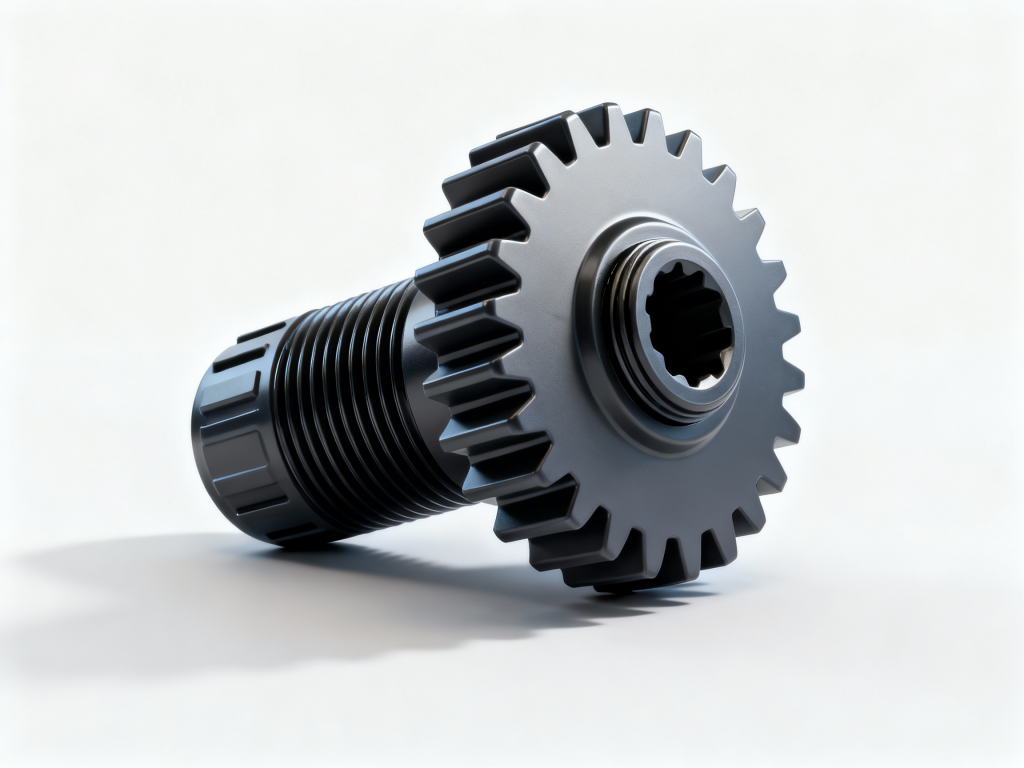
To assist this, mold cores are often treated with DLC (Diamond-Like Carbon) or Teflon-impregnated Nickel coatings. These coatings reduce the coefficient of friction to below 0.1, allowing the metal core to slide against the shrinking plastic without grabbing or galling. This combination of thermal buffer and low-friction surfaces ensures that even deep-thread parts eject cleanly every cycle.
Livepoint Tooling: Precision Engineering for Complex Mold Solutions
Livepoint Tooling stands as a premier partner for global enterprises seeking high-reliability manufacturing. With over 23 years of expertise in precision tooling and injection molding, Livepoint delivers intelligent solutions for the most challenging threaded applications.
Key Engineering Highlights:
Certified Quality: Operating under ISO 9001 and IATF 16949 certifications, ensuring automotive-grade rigor in every project.
Extreme Precision: Capability to achieve mold tolerances as tight as ±0.01mm, critical for micro-threaded medical parts.
High-Longevity Molds: Engineering molds rated for 10+ million cycles, utilizing high-grade steels and advanced coating technologies.
Comprehensive Services: From DFM analysis and rapid prototyping to mass production of complex unscrewing and insert-molded components.
For organizations demanding zero-defect manufacturing and robust supply chain stability, Livepoint Tooling offers the technical depth and infrastructure to bring sophisticated designs to reality.