

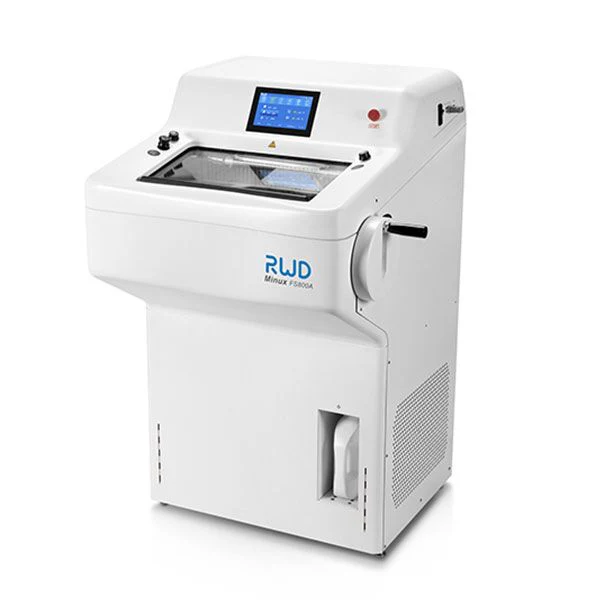
Operating a cryostat device is essential for producing high-quality tissue sections for microscopic analysis. When problems arise, they can disrupt laboratory workflow and compromise sample integrity. Understanding how to address common issues with a cryostat machine ensures consistent performance and reliable results. This guide outlines practical steps for troubleshooting a cryostat device.
Addressing Poor Sectioning Quality
Sections that crumble, curl, or appear compressed often point to temperature irregularities. The first step is to verify that the specimen, chamber, and blade are at the correct temperature for the specific tissue type. A tissue block that is too cold becomes brittle, while one that is too soft will smear. Re-evaluating the orientation of the block on the chuck can also improve cutting behavior. A correctly aligned cryostat machine produces uniform, flat ribbons of tissue.
Managing Temperature Fluctuations
If the chamber frosts excessively or cannot maintain its set point, the door seal or gasket may be compromised. Frequent door opening introduces warm, moist air that forces the cryostat device to work harder, leading to ice accumulation. Ensuring the door closes securely and defrosting the unit according to the manufacturer’s schedule are critical maintenance tasks. Persistent temperature control issues may indicate a need for professional servicing of the refrigeration system.
Resolving Knife and Anti-Roll Plate Alignment
Chatter, thick-and-thin sections, or an inability to guide sections onto the slide often stem from incorrect blade or anti-roll plate positioning. A dull or nicked blade is a common culprit and should be replaced. The anti-roll plate must be parallel to the knife edge along its entire length; even a slight misalignment will prevent the section from laying flat. Precise adjustment of these components is fundamental to the operation of a cryostat machine.
Routine maintenance and systematic checks are the most effective strategies for preventing operational downtime. A well-maintained cryostat device supports the consistency of histological data. For researchers relying on these instruments, proactive troubleshooting preserves sample quality and experimental timelines. BPLabLine provides technical support and resources to help laboratories maintain their equipment in optimal condition.