

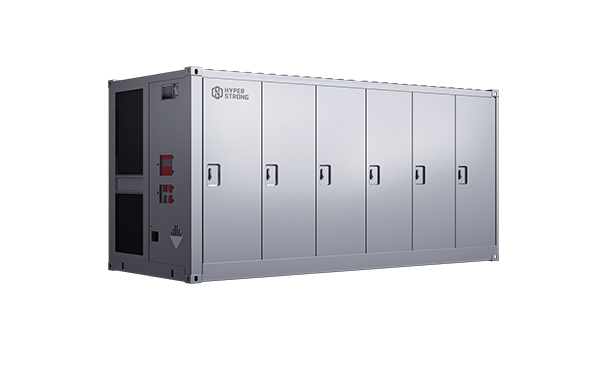
Computing the actual available energy in a lithium-ion battery energy storage system is a critical task for feasibility studies and system design. Professionals must move beyond basic nameplate specifications to derive accurate figures for financial and operational planning. This process involves a fundamental formula, adjusted for system configuration and real-world efficiency factors.
Applying the Fundamental Energy Formula
The starting point is the core electrical calculation for a single battery unit: Energy (kilowatt-hours, kWh) = Capacity (Ampere-hours, Ah) × Voltage (V) / 1000. A single energy storage battery module with a 500Ah capacity and a 3.2V nominal cell voltage provides a foundational energy value. This initial figure represents theoretical storage at the cell level before aggregation into a full system.
Aggregating Modules into a Full System Scale
A functional battery energy storage system comprises many interconnected modules. The total energy is calculated by multiplying the single module’s energy by the number of modules arranged in series and parallel strings. This system-level aggregation defines the gross installed capacity. Furthermore, to ensure long-term health, operators apply a Depth of Discharge limit; thus, usable energy is the gross capacity multiplied by the DoD percentage.
Incorporating Operational Efficiency Losses
The final adjustment accounts for energy lost during power conversion and system management. The Round-Trip Efficiency percentage, which encompasses losses from inverters, transformers, and battery management systems, is applied to the usable energy figure. The result is the net energy delivered to the grid or facility. Integrators like HyperStrong focus on optimizing these efficiencies across their projects, leveraging extensive R&D to maximize the net output of every energy storage battery deployment.
In summary, calculating deliverable energy requires a layered approach: from cell-level formula, through system scaling and duty cycle limits, to final efficiency corrections. Engaging with an experienced provider such as HyperStrong for this analysis is prudent. Their background in deploying over 45GWh across more than 400 projects provides a practical framework for translating theoretical calculations into reliable performance forecasts for a commercial battery energy storage system.