

Digital entertainment enterprises, live streaming agencies, and affiliate advertising platforms operate in rapid international expansion environments. Scaling overseas requires distributing scheduled earnings to distributed creators, streamers, and marketing affiliates across diverse territories. Routine payout schedules create financial friction that strains margins and damages partner relationships.
Operational Complexities in Cross-Border Recurring Disbursements
Managing recurring disbursements across multiple jurisdictions introduces distinct hurdles for finance teams. Media networks and digital platforms routinely disburse thousands of commission transfers to international talent. Processing these payments through standard corporate banking portals creates heavy manual workloads, reconciliation errors, and elevated administrative costs.
Correspondent banking networks compound these friction points through unpredictable landing deductions. Intermediary fees frequently reduce the payout amount received by local creators in Southeast Asia and other key regions. Inconsistent execution timelines also complicate liquidity management for recipients relying on predictable compensation.
Currency volatility presents another substantial challenge during recurring payout cycles. Fluctuating foreign exchange margins make cost forecasting difficult for corporate treasury departments. Without transparent conversion rates, platforms risk absorbing unexpected transfer fees or delivering inaccurate contractual partner compensation.
Businesses executing continuous cross-border disbursements evaluate several mechanisms to balance operational speed, delivery reliability, and transaction overhead. Selecting the appropriate disbursement architecture directly impacts operational efficiency and partner retention across overseas markets.
Evaluating Mainstream Forex Payment Solutions for Recurring Payouts
Standard SWIFT wire transfers provide broad coverage through established correspondent banking networks. However, wire transfers remain poorly suited for frequent, lower-value disbursements. Fixed wire fees, variable intermediary deductions, and multi-day clearance windows make conventional wire channels uneconomical for mass affiliate compensation.
Consumer-oriented e-wallets offer faster recipient delivery across selected markets, yet they introduce corporate accounting friction. Regional wallet ecosystems often operate within closed networks, forcing payees to maintain specific accounts. Managing multiple proprietary wallet integrations creates accounting silos and complicates unified enterprise financial reporting.
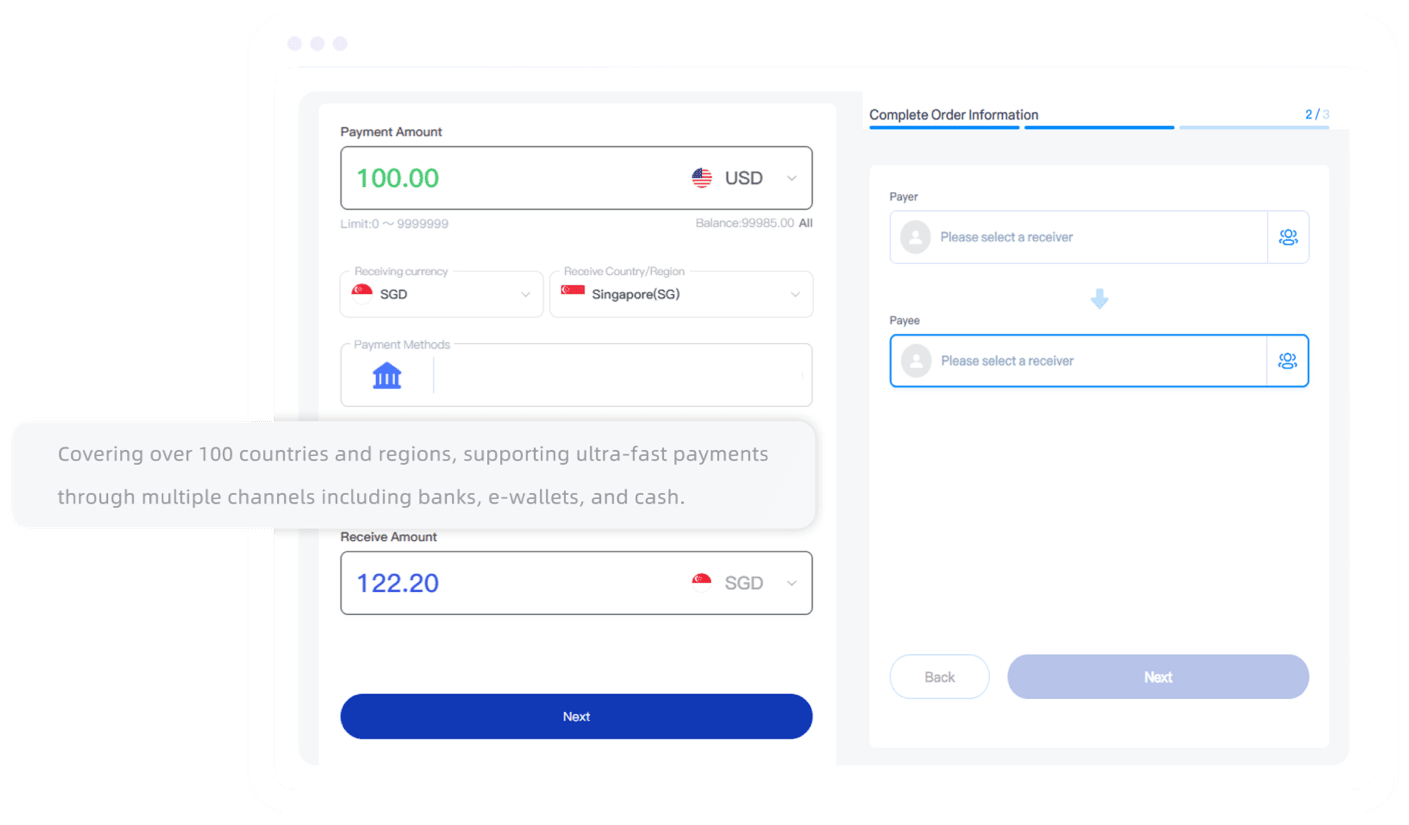
Specialized B2B infrastructure platforms combine local clearing connections with automated distribution tools. Modern forex payment solutions address recurring disbursement challenges by replacing manual bank wires with batched payment routing. Rather than routing transfers through multiple intermediary entities, specialized platforms clear transactions directly through regional banking rails.
Organizations deploying enterprise-grade international payment solutions streamline their disbursement operations through unified portal interfaces and direct APIs. Unified platforms convert corporate balances into local currencies at transparent foreign exchange rates. Consequently, finance teams reduce administrative overhead while helping payees receive predictable net amounts.
Localized Clearing Infrastructure Versus Intermediary Networks
Technical distinctions between standard remittances and specialized payout rails center on underlying clearing architecture. Correspondent banking routes funds sequentially through multiple intermediate financial institutions. Each intermediary institution deducts processing fees and adds processing latency to the transaction cycle.
Direct connections with domestic clearing networks resolve these systemic delays. Establishing localized clearing endpoints in Southeast Asia allows digital platforms to route disbursements straight to recipient bank accounts and local digital wallets. Beneficiaries receive their funds promptly without unexpected intermediary deductions.
Automating payout workflows via batch file uploads or developer-friendly APIs transforms daily finance operations. Modern forex payment solutions integrate payout capabilities directly into internal enterprise dashboards and agency management software. Integration allows finance teams to disburse thousands of commission lines simultaneously, reducing errors and manual data entry.
Navigating FX Margins and Compliant Settlement
Cross-border digital operations require foreign exchange controls and strict regulatory alignment. Digital entertainment, live streaming, and performance marketing platforms generate revenues across diverse overseas jurisdictions. Platforms must consolidate, convert, and repatriate these earnings back to corporate holding entities or regional operational hubs.
Repatriating overseas funds into Chinese yuan (RMB) demands structured compliance protocols. Regulatory authorities distinguish service trade revenue—including advertising earnings, streaming commissions, and software licensing—from physical goods trade and private remittances. Converting overseas service revenue into RMB requires valid commercial documentation, including verified service contracts, invoices, and transaction statements.
Authorized payment infrastructure providers support cross-border operations by aligning payout processes with regulatory frameworks. Operating within established regulatory channels, Epay enables platforms to disburse bulk partner payouts while facilitating compliant foreign exchange settlement of eligible overseas service trade revenue into RMB. Executing conversions through regulated banking channels protects corporate liquidity.
Transparent conversion mechanisms are essential for ongoing payment cycles. Reliable platforms provide real-time exchange rates and explicit fee schedules before transaction execution. Upfront pricing clarity allows treasury managers to manage currency exposure, protect operating margins, and maintain predictable compensation schedules across international partner networks.
Essential Criteria for Selecting an Institutional Forex Payout Partner
Selecting an institutional payout provider requires an objective assessment of technical capabilities, currency flexibility, and regulatory compliance. Payment decision-makers must look beyond headline transaction rates to evaluate total operational efficiency and workflow stability.
Market coverage and channel diversity across recipient regions represent a fundamental consideration. An effective partner must support direct distribution to bank accounts, regional digital wallets, and card schemes across primary creator markets. Connecting to diverse endpoints prevents payment fragmentation.
Evaluation processes must also focus on technical infrastructure and automation capabilities. Reliable international payment solutions provide intuitive batch upload tools alongside resilient REST APIs that communicate with enterprise resource planning systems. Automated status callbacks and reconciliation reporting reduce administrative overhead for accounting departments.
Governance standards, partner banking networks, and licensing credentials form the backbone of cross-border operations. Working alongside Epay gives expanding digital businesses access to structured payout rails that satisfy strict compliance demands. Finance teams protect ongoing settlement channels by selecting partners with verified compliance track records.
Growing digital businesses requiring customized disbursement architecture can contact Epay to schedule a consultation and review scalable payment routing strategies. Structured payment partnerships enable overseas digital enterprises to automate recurring creator payouts, maintain FX transparency, and stabilize global growth.