

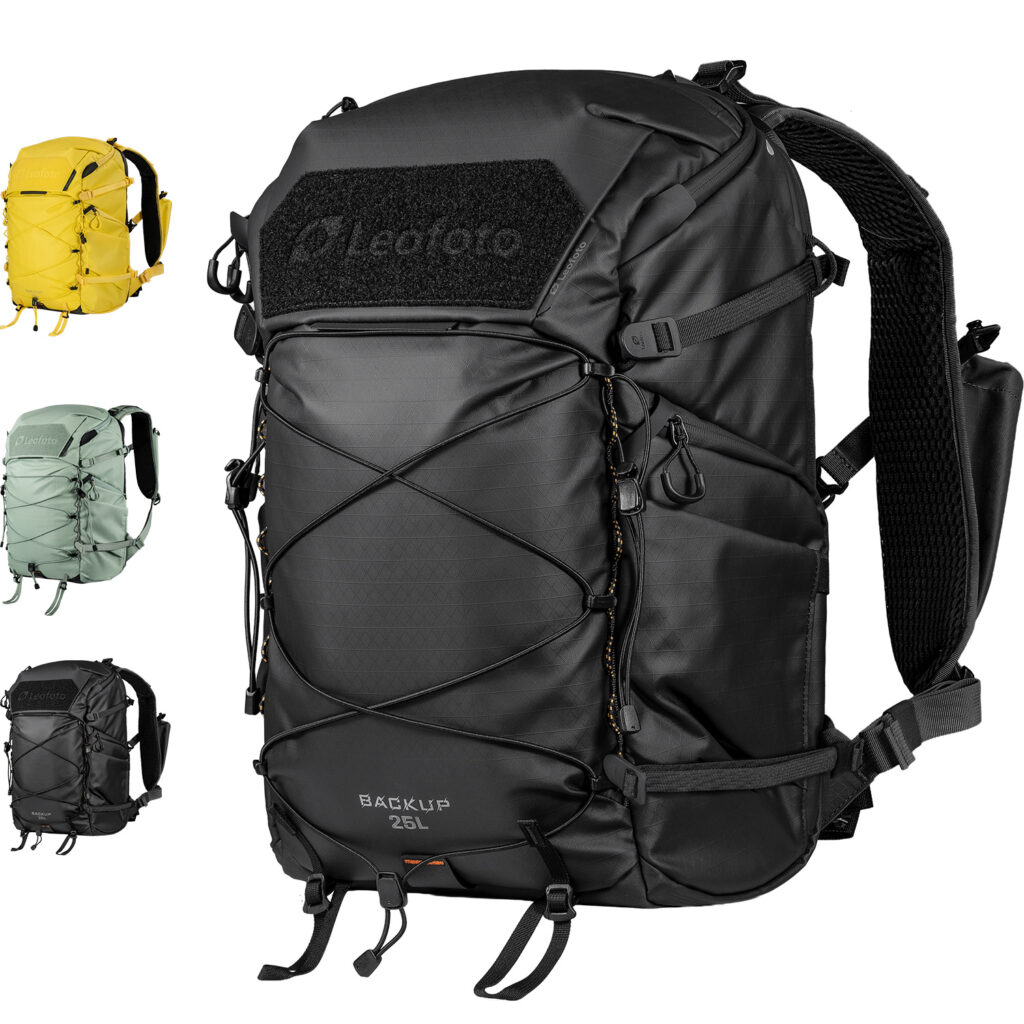
Long shooting days present a constant struggle against physical fatigue, changing weather, and equipment disorganization. Traditional carrying solutions frequently force photographers to choose between heavy rigid frames and unstructured daypacks. Carrying expensive cameras, heavy lenses, and outdoor provisions across extended hours demands balanced weight distribution and instant equipment retrieval.
Finding a dependable rucksack camera backpack requires assessing how well internal engineering handles changing field conditions. A supportive harness must pair with durable exterior defenses to protect sensitive glass. When equipment remains comfortable and instantly accessible, creators stay engaged in framing moments instead of managing gear strain.
Practicality across extended excursions depends directly on purposeful mechanical design. Examining structural frame ergonomics, modular compartments, and weather barriers shows how dedicated carry systems streamline active field days. Modern packs unite technical hiking features with specialized camera protection to keep shooters productive from dawn until dusk.
Ergonomic Suspension and Fatigue Reduction Over Long Treks
Spinal strain quickly accumulates when carrying professional camera bodies, telephoto lenses, and accessories over miles of uneven trails. Selecting a backpack camera bag built with an integrated 3D curved aluminum frame creates an anatomical contour that hugs the natural curve of the spine. This internal metal architecture distributes heavy loads across the back, preventing localized lumbar exhaustion during prolonged movement.
Thermal management forms another crucial pillar of all-day carrying practicality. High-elasticity mesh back panels create a dedicated air gap between the wearer and the pack body, facilitating rapid heat dissipation and active sweat evaporation. Coupled with multi-layer cushioning on the harness, the contact zones maintain soft pressure absorption without trapping body heat.
Harness adjustability ensures the chassis fits different body proportions properly. Tailored shoulder adjustments accommodate torso profiles across user heights spanning from 150 cm to 190 cm. This broad adjustability range guarantees that weight stays centered close to the hips regardless of individual stature.
Weight efficiency remains high across the structural assembly without requiring fragile materials. Standalone bag shells register at 1.7 kg, while integrated configurations with removable inserts weigh 2.5 kg. Keeping baseline pack weight low preserves carrying energy for necessary optical equipment and food.
Multi-Directional Entry Points for Dynamic Workflows
Speed of access often decides whether an outdoor photographer captures an unexpected wildlife or street encounter. Dedicated designers at Leofoto resolved this operational challenge by introducing independent side and top entry portals alongside the primary compartment. Quick-access openings allow photographers to retrieve a camera body immediately without taking off the entire pack.
Staging equipment in base camp or changing lenses between complex setups benefits from a 180° full lay-flat layout. Unzipping the rear access completely provides full visual clarity across all internal dividers, eliminating the need to dig blindly down through upper layers. Photographers spot focal lengths and swap accessories without setting sensitive glass down on wet ground.
Internal architecture divides cleanly into dual compartments to separate personal travel goods from delicate glass. Modular padded inserts with customizable dividers comfortably house mirrorless camera bodies, extra lenses, drones, and accessory cases. Adjustable padding enables rapid layout changes to adapt between drone flights, video rigs, or landscape assignments.
Managing smaller electronics requires dedicated organization away from primary camera bays. Internal storage pockets securely house loose batteries, lens filters, memory cards, and charging accessories. Photographers locate essential support items instantly, maintaining rhythm while chasing fast-changing natural light.
Technical Fabric Defense and Impact Shielding
Field work frequently exposes technical equipment to sudden weather changes and abrasive surfaces. Outdoor solutions from Leofoto rely on a high-density 420D ballistic nylon shell paired with an impervious PU coating. This composite fabric construction repels raindrops, blocks dust penetration, and resists abrasion from sharp rocks or dense trail branches.
Setting a pack down on mud, wet sand, or rocky gravel is an unavoidable reality of outdoor landscape photography. Reinforced base construction incorporates a thickened bottom panel designed specifically to survive continuous contact with rough terrain. Moisture and abrasive particles cannot seep upward through the bottom during extended ground stays.
Internal protection against accidental drops relies on a removable EVA cushioning layer. This dense foam shield dampens sudden mechanical impacts, keeping camera mechanisms and lens barrels safe from jarring transit shocks. Heavy-duty YKK zippers and exterior buckles secure the main enclosures, resisting mechanical jams from airborne grit.
Surface maintenance requires minimal effort after navigating dusty trails or storm fronts. The PU-coated ballistic nylon exterior wipes clean quickly using a simple damp cloth. Consistent weather resistance gives creators the confidence to shoot through varied outdoor conditions without constantly worrying about their gear.
Hydration, Modularity, and Field Security Details
Sustaining personal physical performance during dawn-to-dusk assignments demands easy fluid management. An ultra-practical rucksack camera backpack incorporates a dedicated one-button hydration hatch alongside an integrated water pouch opening. Running an internal hydration reservoir keeps fluids accessible without stopping the hike to unpack bottles.
Exterior attachment versatility expands storage capability well beyond internal 25 L volume limits. Side and bottom lash points secure tripods, trekking poles, or outdoor sleep systems tightly against the pack frame. An integrated quick-attach camera mount positioned on the shoulder strap keeps a camera resting securely on the chest for rapid deployment.
Security configurations protect costly investments while navigating crowded transit hubs or overseas terminals. Anti-theft zippers prevent unauthorized entry into main camera compartments, while a hidden AirTag pocket enables continuous digital tracking. Hybrid professionals also benefit from dedicated sleeves that safely hold a 13.5” or 14” laptop alongside an iPad.
All-day field usability stems from thoughtful design across every component. Uniting 420D ballistic nylon armor, a 3D curved aluminum frame, full 180° rear access, and modular lash loops provides unmatched utility. A modern backpack camera bag engineered by Leofoto delivers both equipment defense and carrying ease, keeping photographers ready for demanding field assignments.